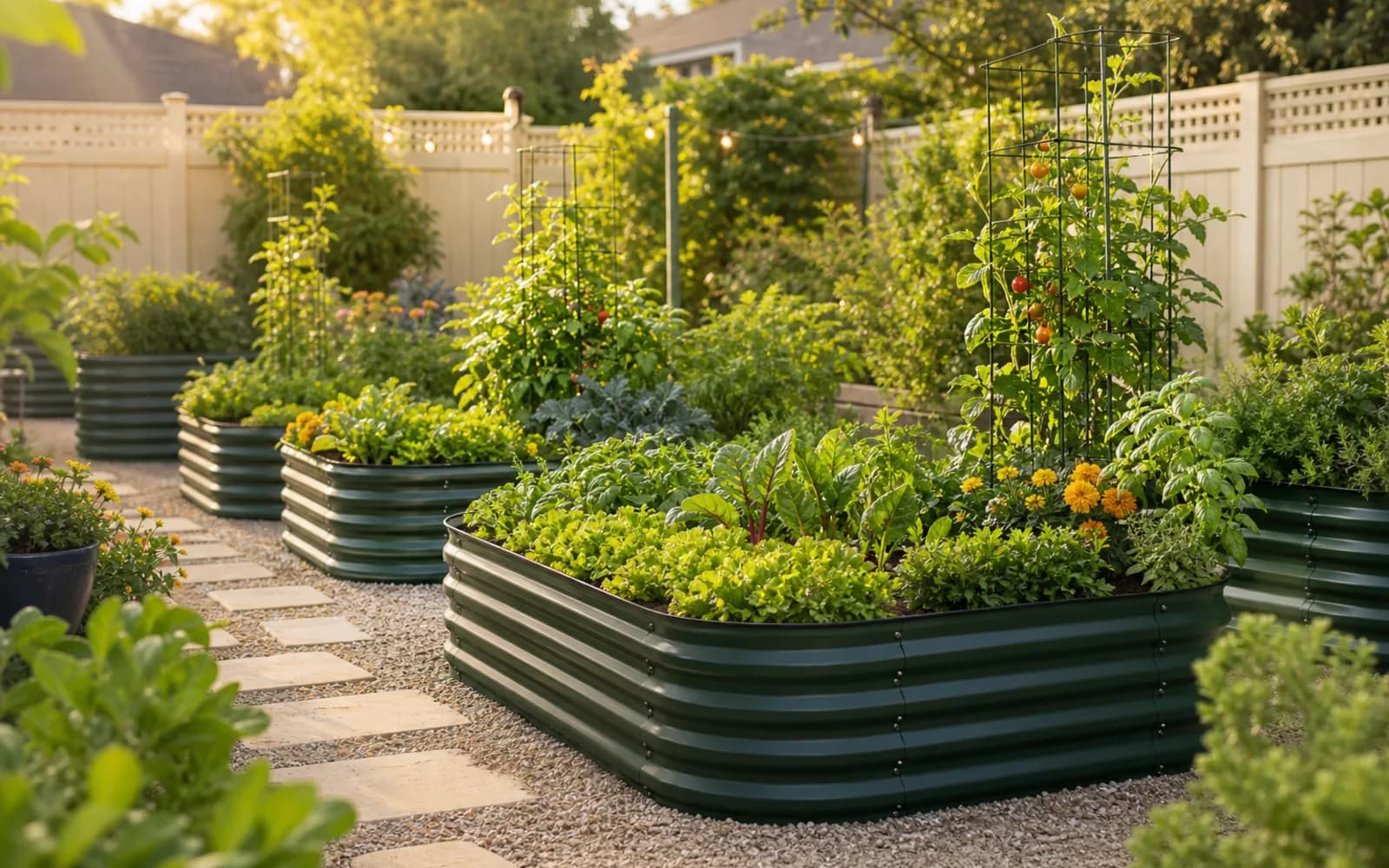
Start with the product that matches your constraint.
Use this compact matrix before reading the full guide. It keeps the choice grounded in fit, tradeoff, setup risk, and a current offer path without showing stale Amazon prices or ratings.
Start hereVego Garden
17" Tall 9-in-1 Modular Metal Raised Garden Bed Kit
Choose if
Most backyard vegetable gardens, first serious raised bed buyers, tomato and pepper growers
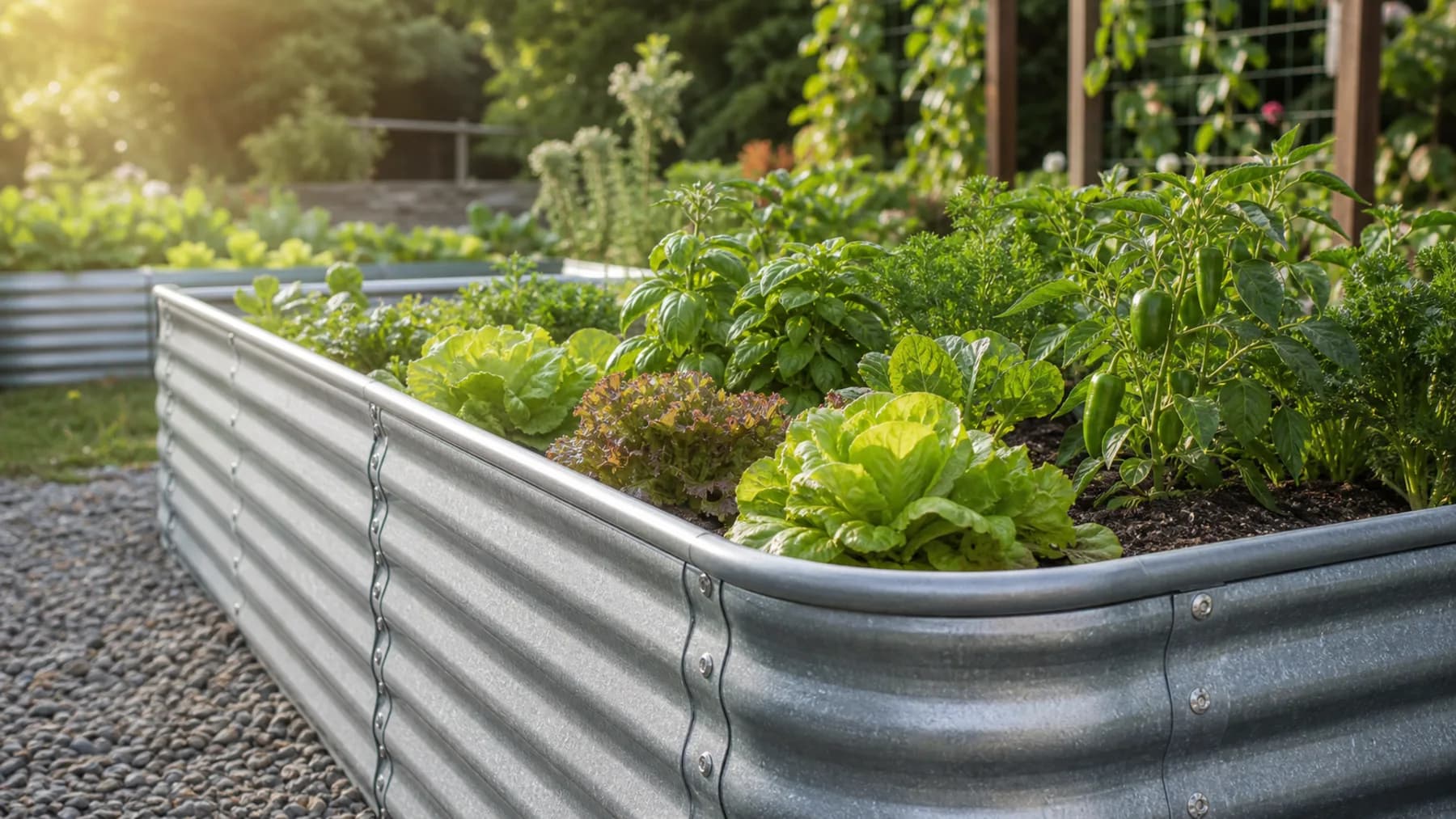
Galvanized raised beds are generally considered a practical option for vegetable gardens when you buy a reputable product, use normal garden soil, follow the manufacturer's material guidance, and avoid unknown scrap metal or questionable coatings. They are popular because galvanized steel resists rust better than plain steel, ships well as a kit, and can offer deeper sides than many basic wood beds.
The important nuance is that "galvanized" is not a magic safety word. A safe buying decision still depends on the actual coating, product quality, soil pH, edge safety, hardware, and whether the bed comes from a known garden-product seller rather than a random metal container. University extension resources commonly treat metal and galvanized steel as normal raised-bed materials, while also advising caution around lead, older treated wood, unknown materials, and extremely acidic soil.
This guide explains the real risk questions without fear-based claims. It also points metal-ready shoppers toward current bed choices that fit different use cases. We analyzed product specs, extension guidance, buyer-feedback themes, and common raised-bed safety questions. We do not claim hands-on lab testing, and we do not display live Amazon prices, ratings, review counts, or availability.
Short Answer
For most backyard vegetable gardeners, a purpose-built galvanized or coated metal raised bed from a reputable brand is a reasonable choice. The practical checklist is simple: avoid mystery metal, avoid old industrial containers, avoid extremely acidic soil, inspect coatings and edges, and do not keep using hardware or panels that are badly rusted, sharp, or damaged.
If you are worried about zinc, the highest-relevance soil issue is acidity. The University of Minnesota Extension notes that zinc from galvanized coating may be more of a concern in highly acidic soil with pH below 5, while neutral to alkaline soils are less likely to degrade the coating. That does not mean every bed is automatically perfect. It means the normal buyer should focus on product quality, soil management, and avoiding unknown materials.
If you are worried about lead, buy raised beds made for gardening rather than improvised metal containers. UMN also cautions that some prefabricated beds sold online have been found to contain lead. That is a good reason to choose known brands, avoid suspiciously cheap mystery listings, and use manufacturer documentation when available.
What Galvanized Means
Galvanized steel is steel protected with a zinc coating. Zinc helps slow rust by creating a protective layer between the steel and moisture. In a raised garden bed, that matters because panels are exposed to wet soil, irrigation, mulch, fertilizer salts, scratches, and seasonal weather.
Most garden shoppers are not choosing raw sheet metal. They are choosing a kit. That kit may use galvanized steel, zinc-aluminum coating, zinc-magnesium-aluminum coating, paint, powder coating, rubber edging, coated screws, or other hardware. The safest comparison is not "galvanized vs safe." The better question is: what exact material does this product claim, and does the brand provide enough information to trust it?
Galvanized metal is not the same as stainless steel. Stainless usually costs more. It is also not the same as old corrugated roofing, unknown livestock troughs, painted salvage metal, or industrial containers. For edible gardens, purpose-built garden beds are easier to recommend than reused materials with unknown history.
Safety Checklist Before You Buy
Check
Why it matters
Safer buying move
Product is made for gardening
Reduces mystery-material risk
Choose known garden brands or well-documented listings
Coating is described clearly
Coating affects rust and soil-contact confidence
Look for galvanized, zinc-aluminum, or brand material documentation
No lead warning or unclear metal claims
Lead is the concern you do not want to ignore
Skip suspicious listings and avoid improvised metal containers
Soil is not extremely acidic
Very acidic soil may degrade zinc coating faster
Test soil if concerned, especially in unusual mixes
Edges are protected
Sharp metal is an immediate safety issue
Prefer rolled, rubber, capped, or guarded edges
Hardware looks replaceable
Screws and bolts often fail before panels
Inspect hardware before filling
Fill volume is realistic
Tall beds can tempt shortcuts with poor fill
Use a soil calculator before buying extra-tall beds
Best Galvanized or Coated Metal Bed Picks
Vego Garden
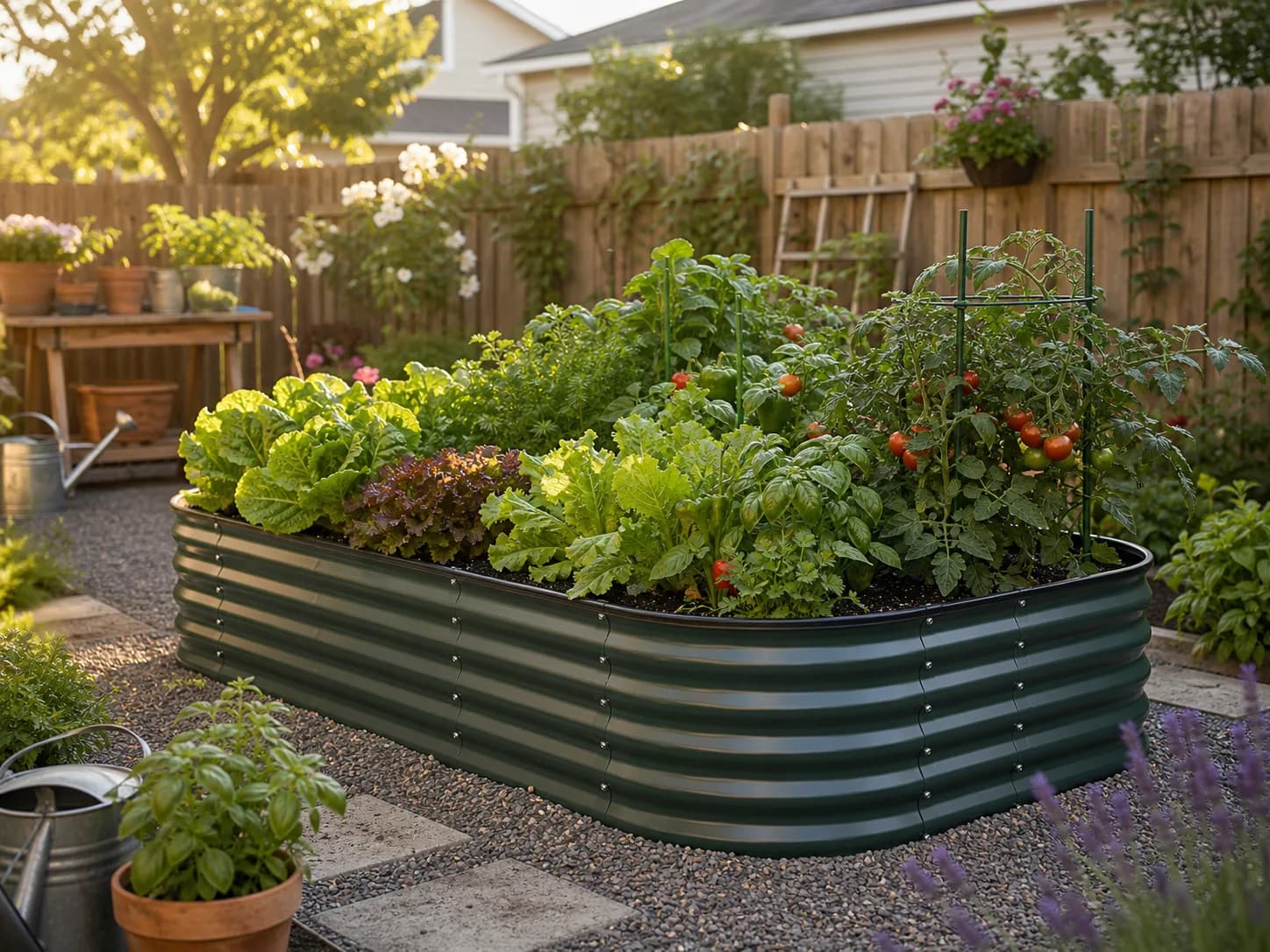
Vego Garden 17 Inch 9-in-1 Modular Metal Raised Garden Bed
Best for: Backyard vegetable gardeners who want a polished coated metal bed with strong depth and a better-known brand ecosystem.
Why this pick: Premium modular metal bed versus cheaper galvanized beds and Birdies
Height
17"
Size
up to 8 ft x 2 ft configuration; 9 possible layouts
Type
modular metal raised bed
Key tradeoff: More bolts than one-piece budget beds
Not best for: Buyers who only want the lowest upfront price.
Key features
17 inch vegetable-friendly depth
Modular layout options
Coated metal construction by brand positioning
Rounded design and accessory path
Pros
Best premium default for many metal-bed shoppers
Good balance of root depth and fill cost
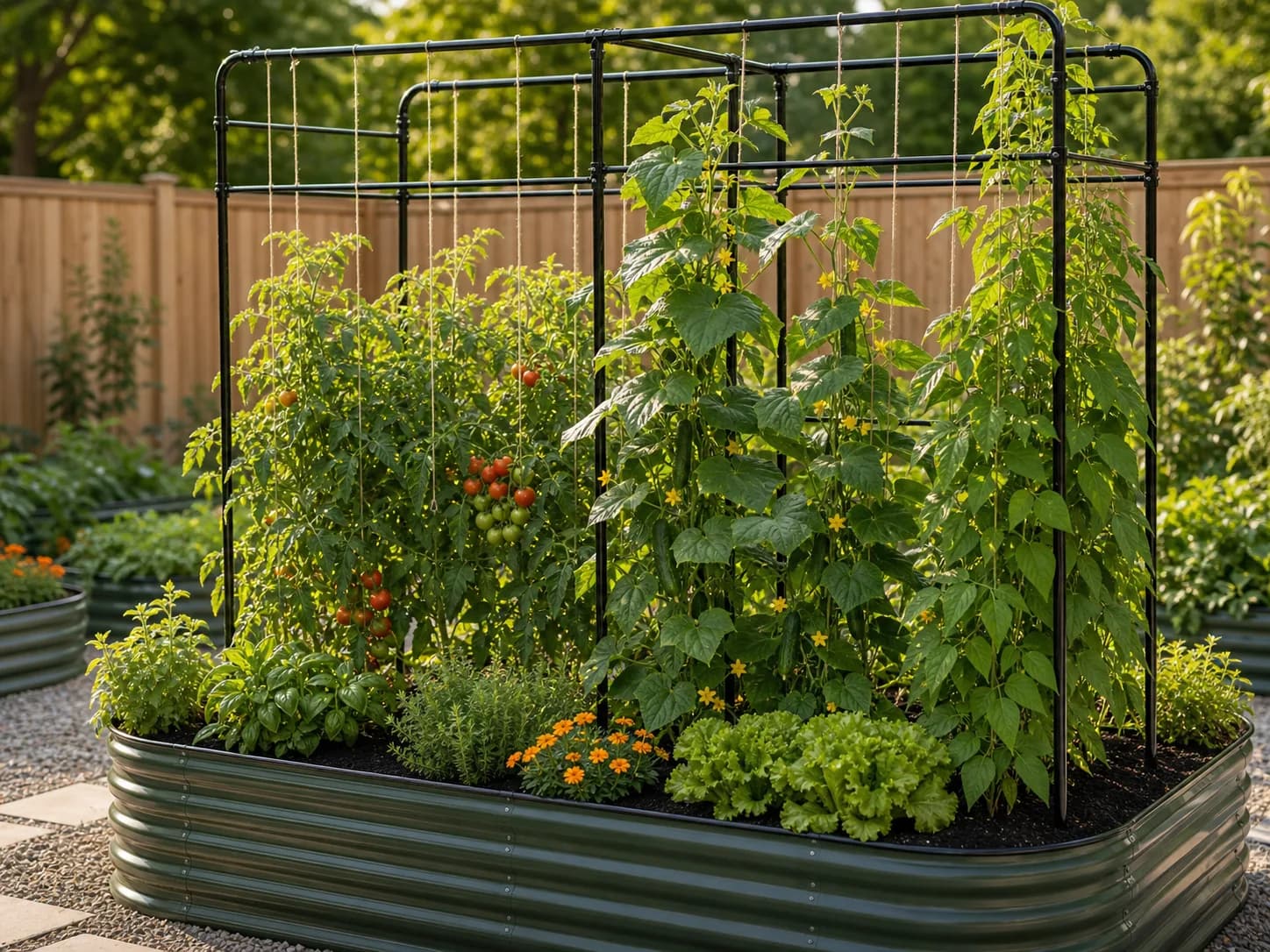
Strong path to trellises, covers, and irrigation later
Zinc is an essential plant micronutrient in small amounts, but excessive zinc can be a problem. For normal galvanized bed shopping, the practical concern is whether the zinc coating will degrade faster under unusual soil conditions.
Very acidic soil deserves attention. UMN Extension specifically flags highly acidic soil below pH 5 as the situation where zinc from galvanized coating may leach more readily. Most vegetable gardeners are not aiming for pH below 5. Many common vegetables grow best closer to mildly acidic or near-neutral soil, depending on crop and local conditions.
That means the practical advice is boring but useful: use a sensible raised-bed soil mix, avoid extreme acidification, test soil if you are concerned, and do not use mystery metal in direct contact with edible beds. If your soil test shows unusually low pH, fix the soil problem first. The bed material is only one part of the system.
What About Lead?
Lead is a separate issue from zinc. The concern is not that every galvanized raised bed contains lead. The concern is that low-quality or unknown prefabricated metal products may not have trustworthy material control.
Use a conservative buying rule: if the listing does not clearly explain the material, if the seller looks temporary, if the product is not meant for gardening, or if the price seems too good to be true, skip it. A raised bed will hold soil and food crops for years. Saving a little on mystery metal is not worth the risk.
If you already own a bed and are worried, do not guess. You can check the manufacturer's documentation, contact the seller, use a lead test where appropriate, or replace the bed if confidence is low. For vegetable gardening, known materials are part of the purchase.
Liners: Useful or Unnecessary?
A liner can reduce direct contact between soil and bed sides, but it is not automatically required for every galvanized raised bed. Liners are most useful when you are trying to extend the life of wood, reduce contact with a material you are uncertain about, or protect patio surfaces from leaking soil.
Do not use a liner that blocks drainage at the bottom of an open-bottom vegetable bed. Roots, water, and soil life need movement. If you line the sides, leave the bottom open unless you are gardening on concrete or another hard surface that needs a contained planter setup.
For metal beds, a liner can be reasonable if you are worried about scratches or acidic soil, but it can also trap moisture against panels if poorly installed. The better first step is buying a product you trust and using normal soil.
Scratches, Rust, and Long-Term Use
Small scratches do not automatically make a galvanized bed unsafe, but they do deserve attention. Scratches expose coating weaknesses. Over time, water, fertilizer salts, and soil contact can speed wear. Inspect panels before assembly, avoid dragging sharp tools along the sides, and keep harsh chemical residues away from the bed.
Surface rust on hardware is different from structural failure. A little rust on a bolt may be a maintenance issue. Sharp, flaking, heavily corroded, or structurally weak panels are a replacement issue. If a bed arrives with damaged coating, bent panels, or exposed sharp areas, document it before assembly and consider returning it.
The highest-risk moment is often not year five. It is day one, when a buyer fills a damaged bed before checking the parts. Once the bed is full of soil, every repair becomes harder.
Galvanized vs Wood Safety
Both metal and wood have safety questions. Metal shoppers worry about zinc, lead, sharp edges, and unknown coatings. Wood shoppers worry about old pressure-treated lumber, creosote, arsenic-containing CCA lumber, rot, and unknown salvage materials.
Modern raised bed advice usually lands in the same place: use known materials. UMD notes that older CCA-treated lumber is no longer available for residential use as of 2004, but also advises avoiding older treatments such as CCA, creosote, and Penta-treated lumber. OSU Extension similarly advises avoiding railroad ties and older pressure-treated wood for edible crops.
So the metal vs wood answer is not "metal is always safer." It is "known garden-grade materials are safer than mystery materials." A reputable galvanized bed and a well-sourced cedar bed can both be reasonable. Unknown scrap metal and old treated lumber are both poor choices for vegetables.
Safety decision
Match the safety concern to the buying move
Most galvanized-bed concerns are manageable when the product is made for gardening and the soil plan is sensible.
Worried about zinc
Use normal garden soil and documented beds
The main risk rises with very acidic or unusual soil conditions.
Watch out: Test pH if the mix is unusual.
Worried about lead
Avoid mystery metal containers
Known garden products are easier to evaluate than salvaged or unclear materials.
Watch out: Skip vague listings.
Worried about cuts
Choose capped or rolled edges
Edge safety is the immediate, practical risk during assembly and use.
Watch out: Inspect panels before filling.
Worried about rust
Choose coated panels and replace bad hardware
Scratches and fasteners often matter before the panels fail.
Watch out: Do not bury damaged hardware.
Common Mistakes to Avoid
Do not reuse old metal containers for vegetables unless you know what they held and what they are made from.
Do not buy only by the word galvanized. Look at the brand, coating description, edge design, hardware, and buyer-risk themes.
Do not acidify soil aggressively unless your crop and soil test justify it. Very acidic conditions can change how coatings behave.
Do not fill a damaged bed before inspection. Check panels, coatings, hardware, and sharp edges while returns are still realistic.
Do not ignore soil volume. A safe bed that you cannot afford to fill properly is still a poor purchase.
FAQ
Are galvanized raised beds safe for growing vegetables?
Yes, a purpose-built galvanized or coated metal raised bed from a reputable brand is generally a practical choice for vegetables. Avoid mystery metal, badly damaged coatings, unsafe sharp edges, and extremely acidic soil conditions.
Can zinc from galvanized beds leach into soil?
It can be more relevant in highly acidic soil, especially below pH 5. Most vegetable gardeners should use normal raised-bed soil and test pH if concerned rather than assuming every galvanized bed is a problem.
Should I line a galvanized raised garden bed?
Usually not for a normal open-bottom bed from a reputable brand. A side liner can be used if you are worried about soil contact, scratches, or acidic soil, but do not block drainage at the bottom unless you are building a contained patio planter.
Are metal raised beds safer than treated wood?
Not automatically. Reputable metal beds and known rot-resistant wood can both be reasonable. The materials to avoid are unknown scrap metal, old railroad ties, older CCA-treated lumber, creosote-treated wood, and mystery coatings.
What should I check when a metal bed arrives?
Check panels for dents, damaged coating, sharp edges, missing hardware, and unclear instructions before assembly. If anything is damaged, take photos before filling the bed with soil.
Galvanized raised beds are a reasonable vegetable-garden choice when the product is made for gardening, the materials are documented, the soil is not extremely acidic, and the bed is inspected before filling. The safest path is not fear or blind trust. It is using known materials, normal soil, good drainage, careful assembly, and realistic maintenance.
Choose Vego or Olle if you want the premium documented metal-bed path. Choose a budget galvanized bed only if you are comfortable inspecting panels, edges, coatings, and hardware. If you still feel uneasy about metal, compare a known cedar or other rot-resistant wood bed instead of buying mystery materials.