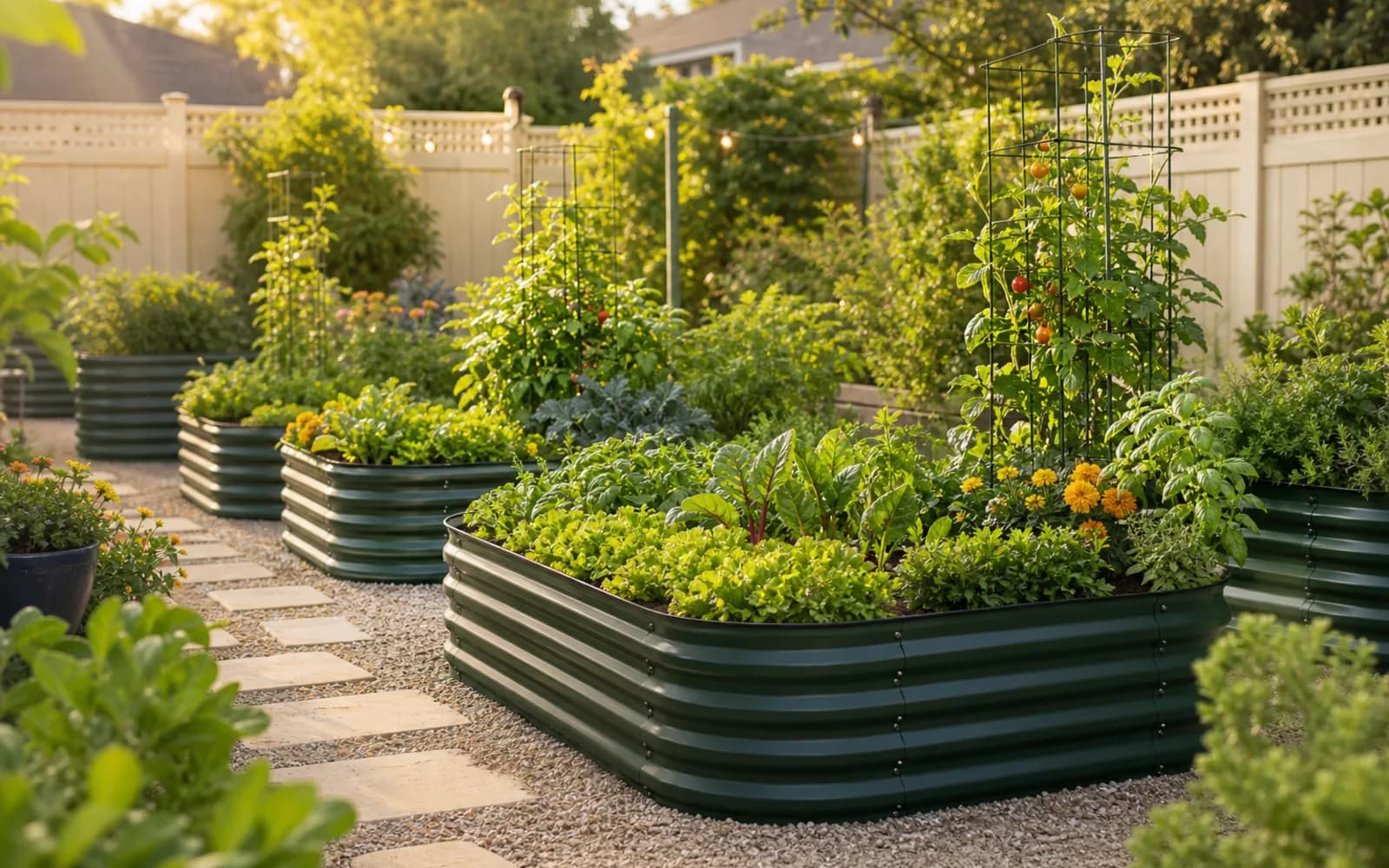
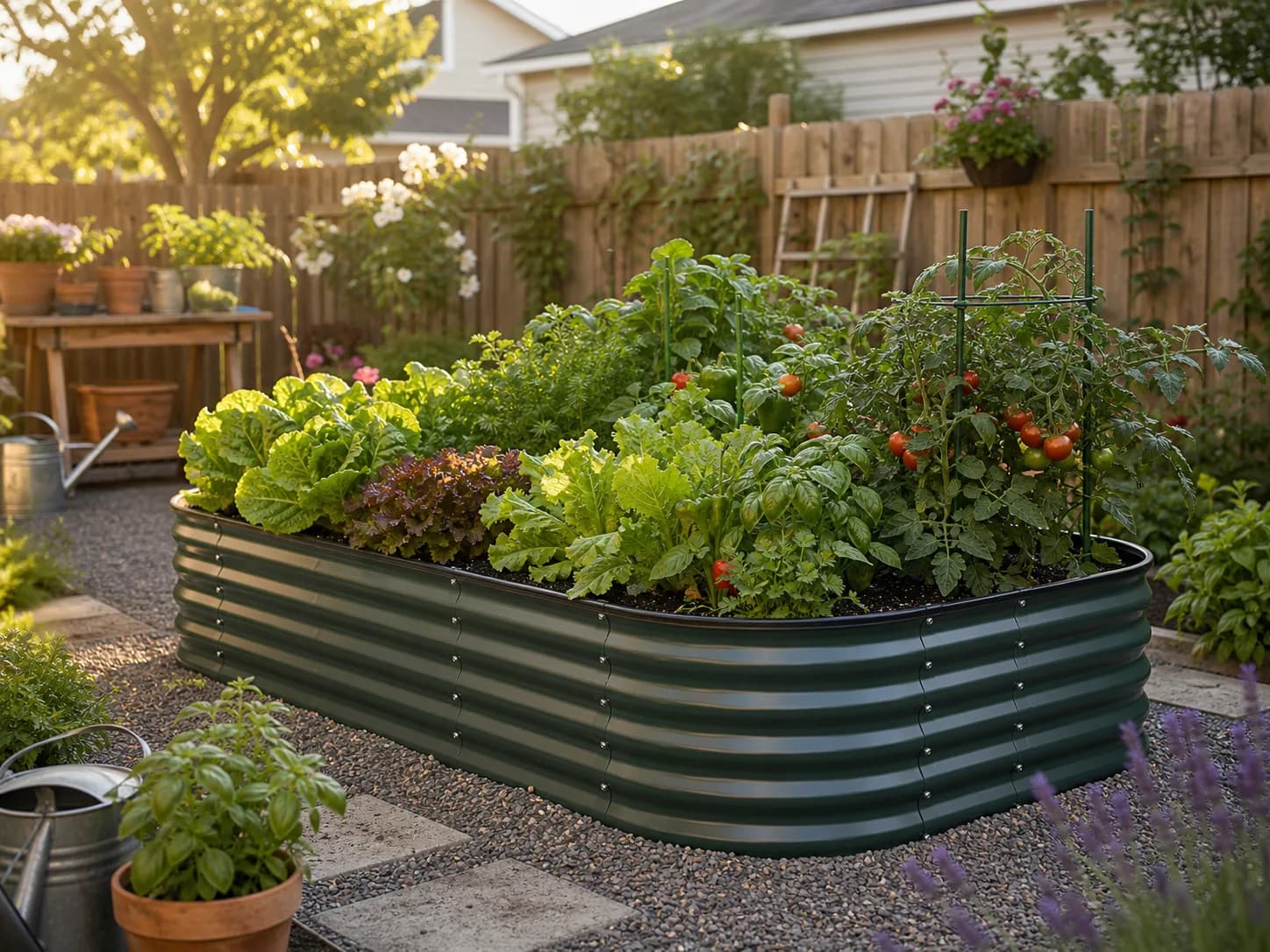
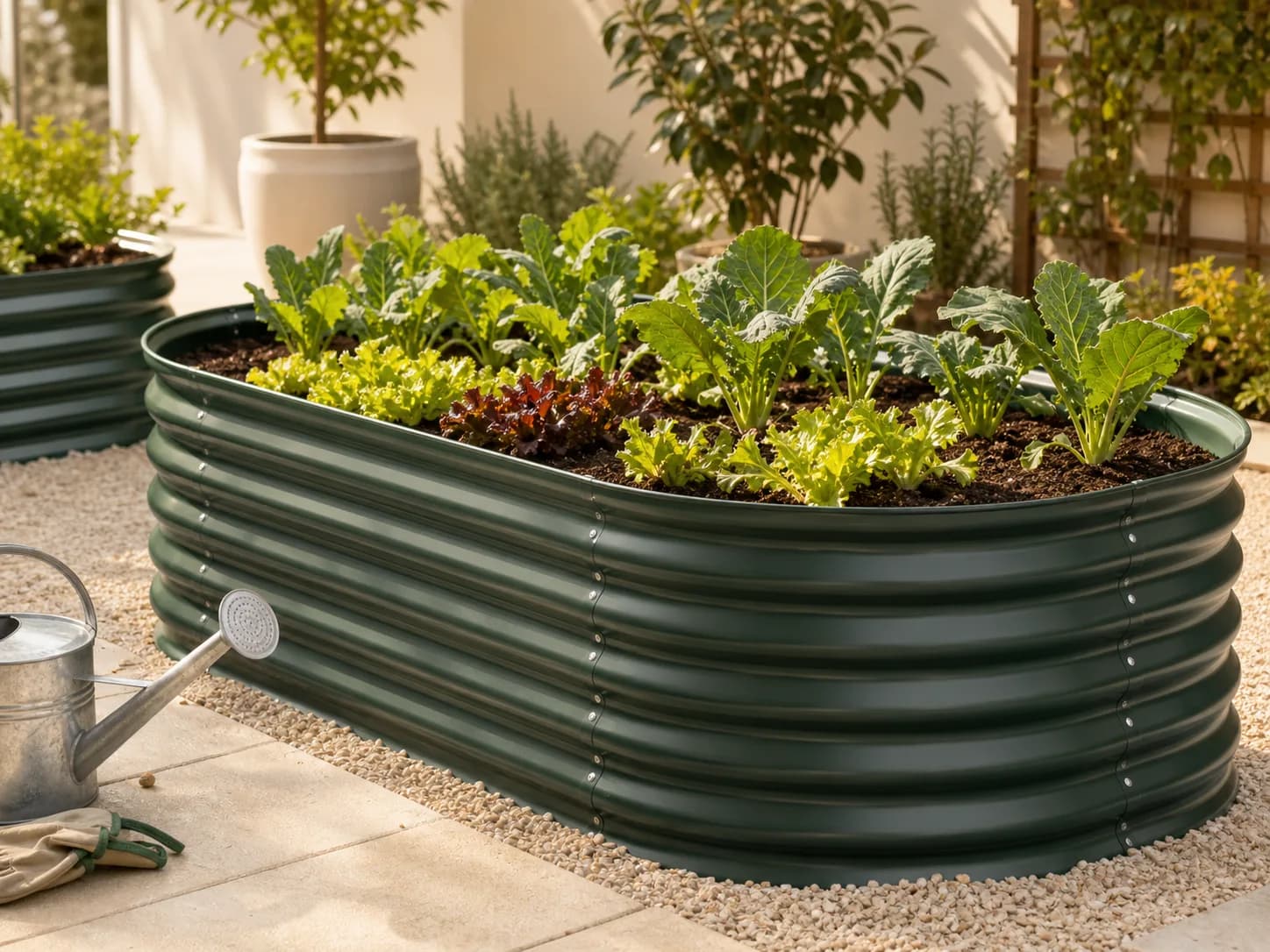
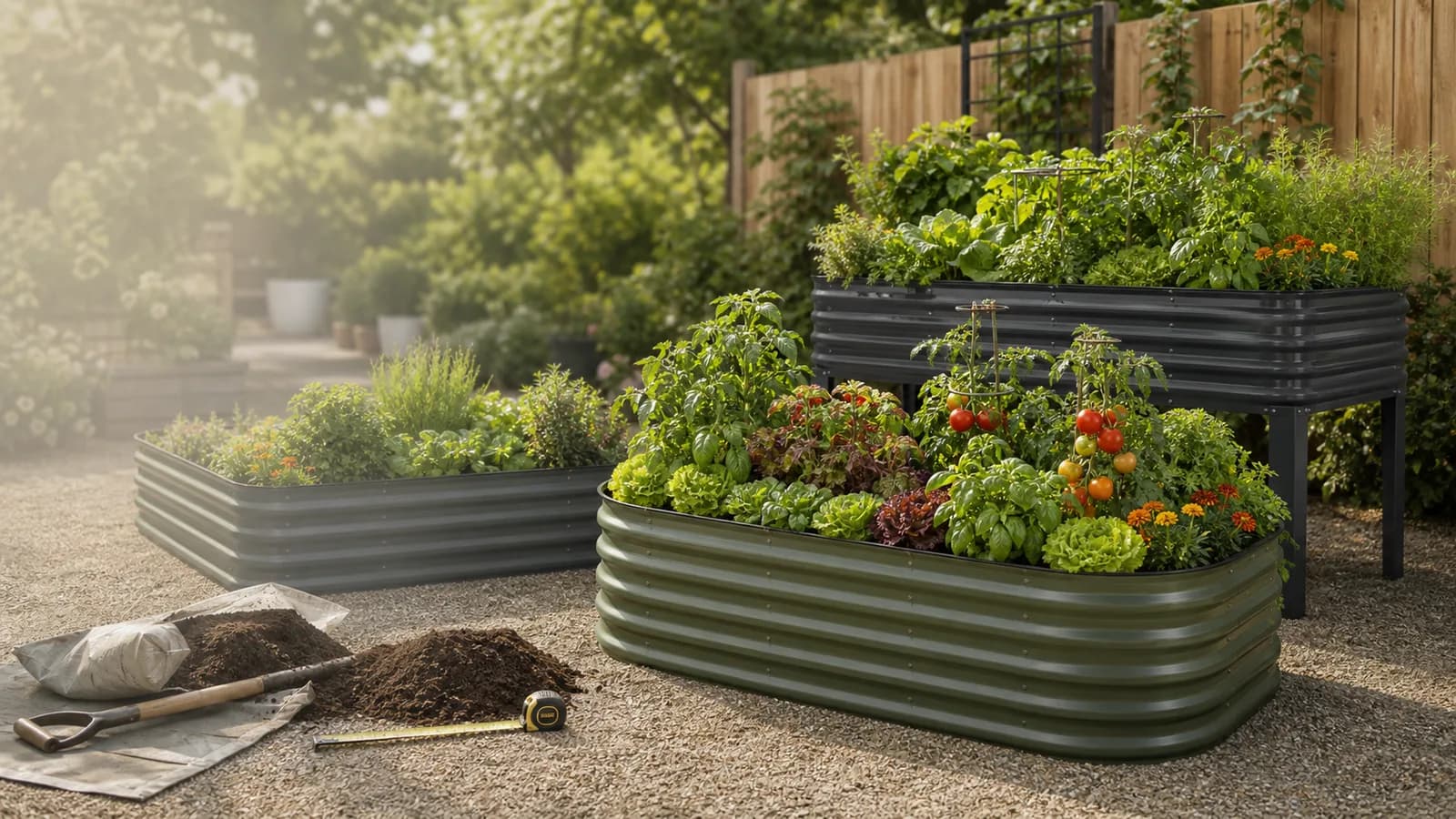
Start with the product that matches your constraint.
Use this compact matrix before reading the full guide. It keeps the choice grounded in fit, tradeoff, setup risk, and a current offer path without showing stale Amazon prices or ratings.
Start hereVego Garden
17" Tall 9-in-1 Modular Metal Raised Garden Bed Kit
Choose if
Most backyard vegetable gardens, first serious raised bed buyers, tomato and pepper growers
Metal raised garden beds are popular because they avoid the biggest weakness of wood: rot. But metal beds are not all the same. A premium coated modular kit, a thin budget galvanized oval, a bundle-value two-pack, and a 36-inch comfort-height bed can all appear under the same search result even though they serve different buyers.
This guide focuses on practical purchase decisions: bed height, coating, panel rigidity, edge safety, assembly risk, fill cost, and how the bed will actually be used. We analyzed product specs, current buyer-feedback themes, Amazon listing details, and common vegetable-gardening use cases. We do not claim hands-on testing. Prices, availability, star ratings, and review counts are update-sensitive Amazon fields, so this page links to Amazon for the current offer instead of hardcoding live pricing claims.
Most shoppers do not need the same metal bed. Use this matrix before jumping from a 17-inch premium kit to a taller or larger bed.
Best first metal bed
Vego Garden 17" 9-in-1
It balances premium finish, vegetable-friendly depth, accessory compatibility, and manageable fill cost.
Watch out: It is still a premium kit with more hardware than a simple budget rectangle.
Lowest bending
SnugNiture 36" tall bed
The tall wall makes daily access easier for gardeners who care more about comfort than minimizing fill volume.
Watch out: A 36-inch bed can become a soil project, so calculate fill before buying.
Budget deep vegetable bed
KING BIRD or A ANLEOLIFE
These beds put more height and square footage into the budget range for tomato and root-crop gardens.
Watch out: Inspect panels, edges, and shipment condition before assembly.
Small yard or corner
Sunnydaze compact or L-shaped bed
A smaller footprint can be easier to place than a full 8 ft rectangle while still giving useful growing space.
Watch out: Shallower corner beds are better for herbs and greens than deep-root vegetable production.
How to Read These Picks
A 17-inch premium modular bed is usually the safest recommendation for a first serious vegetable garden. It gives usable root depth without turning the fill bill into the biggest part of the project. A 24-inch bed gives more depth and a more substantial look, but the soil volume rises fast. A 32- or 36-inch bed can be easier on your back, yet the bed itself is only half the purchase: you must budget for fill material, compost, and enough room to work around it.
The most important buyer split is not simply premium versus budget. Premium beds usually reduce finish risk, color mismatch, accessory confusion, and edge-safety concerns. Budget galvanized beds can still be good purchases, especially for gardeners building several beds at once, but buyer feedback themes tend to make shipment inspection, panel thickness, and edge handling more important.
Top Recommendations
Vego Garden
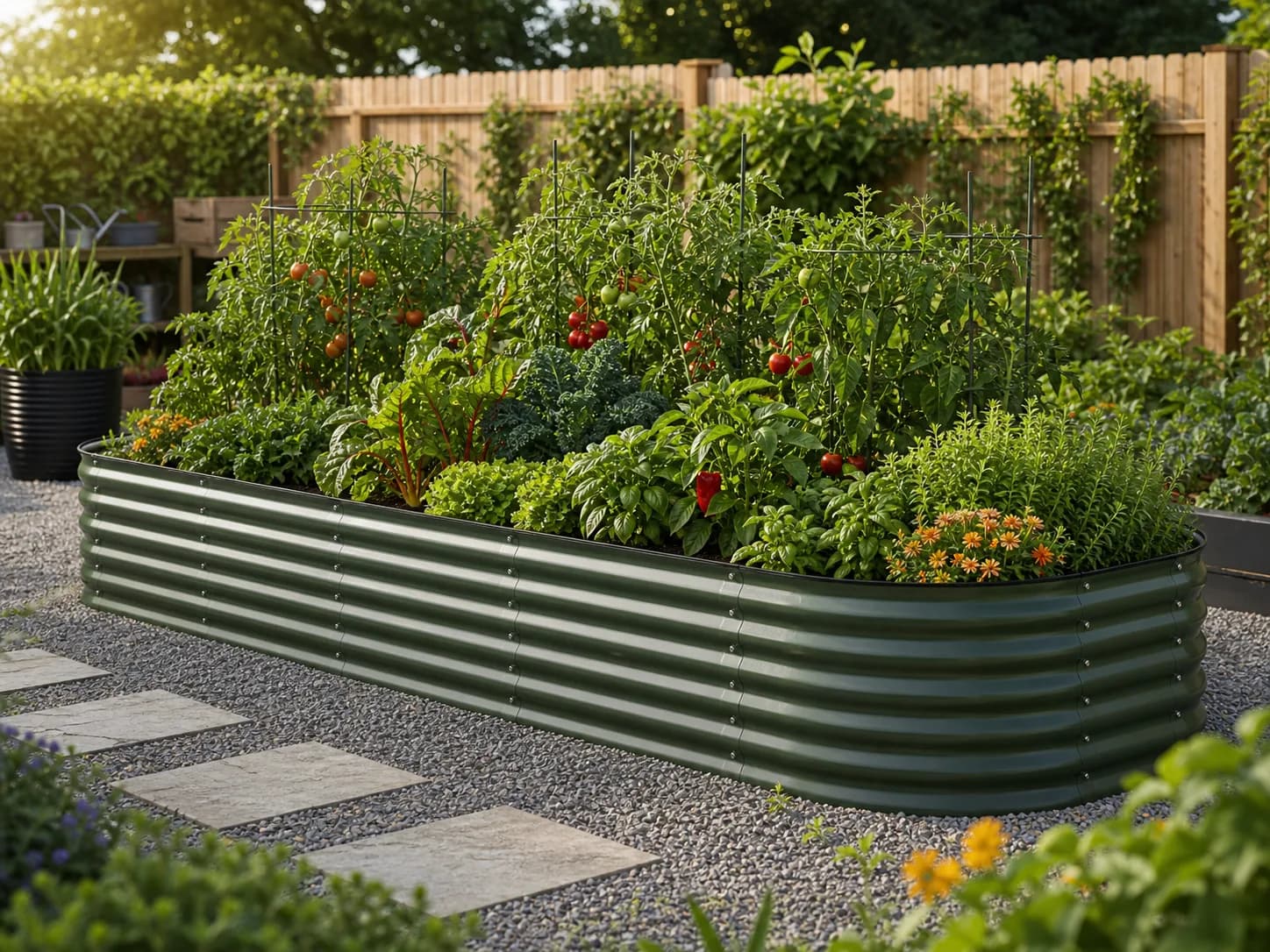
Vego Garden 17" Tall 9-in-1 Modular Metal Raised Garden Bed Kit
Best for: Most backyard vegetable gardens where finish, modular layouts, and a 17-inch vegetable-friendly depth matter.
Why this pick: Premium modular metal bed versus cheaper galvanized beds and Birdies
Height
17"
Size
up to 8 ft x 2 ft configuration; 9 possible layouts
Type
modular metal raised bed
Key tradeoff: More bolts than one-piece budget beds
Not best for: Buyers who only want the lowest upfront price.
Key features
9-in-1 modular layouts
Open-bottom metal bed
Rubber safety edging and rounded corners
Vego accessory ecosystem
Pros
Best premium default for most vegetable gardeners
Strong balance of depth and manageable fill cost
More polished look than most budget galvanized kits
Cons
More bolts and setup time than simple one-shape beds
Premium price compared with basic Amazon alternatives
The Vego picks still hold the premium side of this guide, but the added Amazon alternatives make the page more useful for price-sensitive shoppers. KING BIRD, ANLEOLIFE, and Garvee give buyers more bed for the money, but their review themes require more caution around panel thinness, shipment condition, and quality expectations. Sunnydaze is better positioned as a shape or compact-depth pick than as the strongest production bed. SnugNiture is the clearest comfort-height option, but the 36-inch profile turns soil volume into the deciding factor.
That means the real decision is not "premium or cheap." It is "what risk are you willing to accept?" Premium modular beds usually reduce finish and ecosystem risk. Budget beds can reduce upfront cost, but buyers should inspect panels, edges, hardware, and fill math before treating them as equivalent.
Pros and Cons of Metal Raised Garden Beds
Pros
Better resistance to rot than untreated wood.
Cleaner bed edges and easier crop organization.
Good fit for vegetable gardens, patios, and modular layouts.
Many open-bottom models drain well and let roots reach native soil.
Tall models can reduce bending for some gardeners.
Cons
Soil and compost can cost as much as the bed if you do not plan the fill.
Budget panels can feel thin or arrive bent.
Assembly takes patience, especially with many bolts or large panels.
Tall beds are not automatically better if you do not need the depth.
Scratched coatings, cheap hardware, and coastal exposure can affect long-term durability.
How to Choose a Metal Raised Garden Bed
Start with height. A 12-inch bed can work for herbs, lettuce, flowers, and shallow-rooted crops, but it is not the strongest all-around vegetable choice. A 17-inch bed is the safest default for most open-bottom backyard vegetable gardens. A 24-inch bed adds depth and comfort, but fill cost rises. A 32- or 36-inch bed is a comfort purchase first and a value purchase second.
Next, think about footprint. Four feet wide is common because many adults can reach the center from both sides, but that assumes access around the full bed. Against a fence, two feet wide is often better. For seniors or gardeners with limited mobility, reachable width matters as much as height. A bed that is tall but too wide can still be frustrating to maintain.
Then look at panel quality and edge treatment. Premium beds are usually stronger on finish, color consistency, edge safety, hardware, and ecosystem compatibility. Budget beds can be excellent for testing a layout or building multiple beds, but buyers should inspect every panel before assembly. Bent panels, missing hardware, sharp edges, and confusing instructions are much easier to solve before the bed is filled.
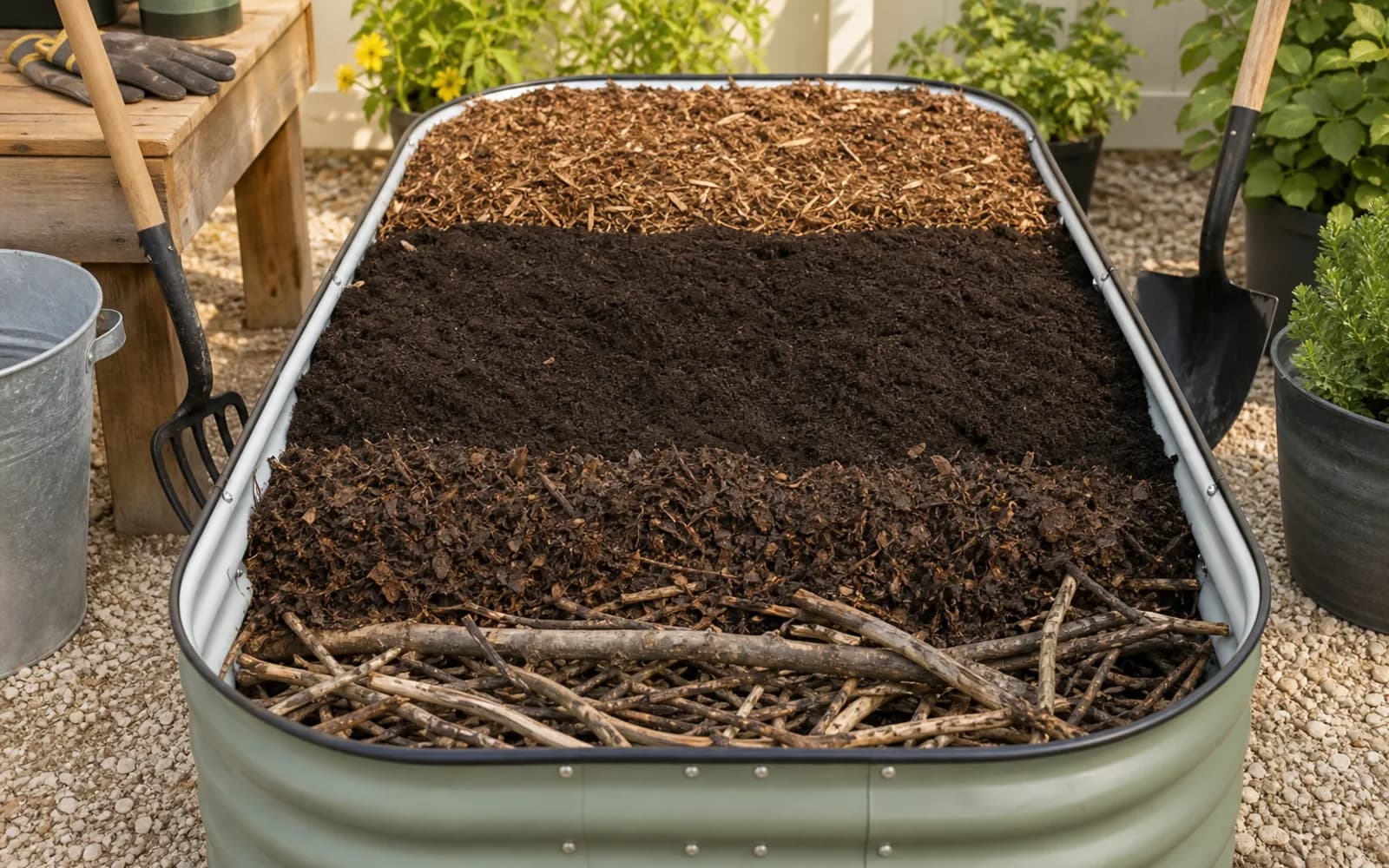
Finally, calculate soil volume before choosing a tall bed. An 8 ft x 4 ft x 2 ft bed needs far more fill than a 17-inch compact modular bed. A 36-inch bed can be comfortable, but it should send you straight to the Raised Bed Soil Calculator before checkout.
Best Use Cases
Best premium all-around pick: Vego Garden 17" 9-in-1. Choose it when you want a polished, vegetable-friendly bed that can anchor a multi-season backyard setup.
Best larger premium layout: Vego Garden 17" 10-in-1 Jumbo. Choose it when you want more growing area but do not want the fill cost of an extra-tall bed.
Best budget tall alternative: KING BIRD 24" Heightened Bed. Choose it when bed size and price matter more than premium finish. Inspect panels carefully.
Best comfort-height alternative: SnugNiture 36" Tall Bed. Choose it for low-bend gardening, but only after estimating soil volume.
Best large deep-root value: A ANLEOLIFE 8 x 4 x 2 ft Bed. Choose it for tomatoes and larger vegetable layouts where capacity matters.
Best compact tall bed: Sunnydaze 47" x 23" x 24". Choose it when you want depth in a smaller footprint.
Best corner layout: Sunnydaze L-Shaped Bed. Choose it for herbs, flowers, and shallow vegetables in awkward corners.
Best bundle value: Garvee 2 Pack. Choose it only if you are truly ready to fill and maintain two large beds.
Mistakes to Avoid
Do not buy a bed based only on the product photo. A beautiful tall bed can become a budget problem once you price out soil, compost, mulch, and irrigation. Do not assume "galvanized" means every product has the same panel thickness, coating quality, or hardware. Do not wait until after assembly to check for dents, missing bolts, sharp edges, or bent panels. And do not choose a four-foot-wide bed for a fence line unless you can reach the far side.
The best purchase process is simple: choose the crop plan, choose the height, estimate soil volume, then compare premium versus budget risk. That sequence prevents most wrong purchases.
FAQ
Are metal raised garden beds safe for vegetables?
Coated galvanized or Aluzinc-style steel beds are widely used for vegetables. The practical checks are avoiding extremely acidic soil, protecting scratches, and replacing badly rusted hardware. Follow the manufacturer's material documentation and local extension guidance.
Is a 17-inch metal raised bed deep enough?
For most open-bottom vegetable gardens, 17 inches is a strong default. It gives roots loose soil while keeping fill cost more reasonable than 24-, 32-, or 36-inch beds.
Are budget galvanized beds worth it?
They can be worth it when price and growing area matter more than finish. The tradeoff is quality-control risk: panel thinness, dents, sharp edges, missing hardware, and less brand support show up more often in buyer-feedback themes.
Should seniors choose a 32- or 36-inch raised bed?
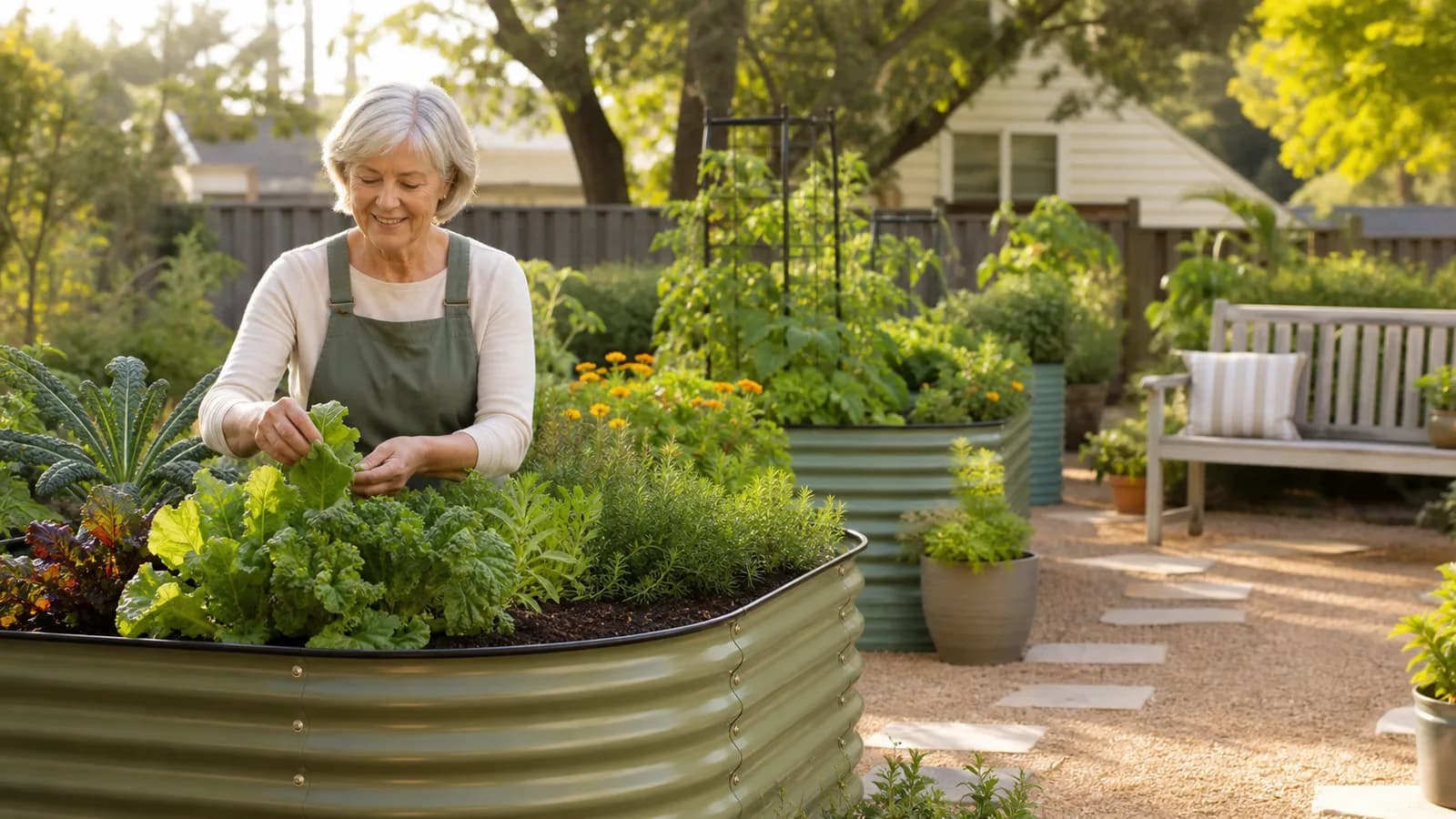
Tall beds can reduce bending, but they need much more fill. Seniors should compare working height, reachable width, edge safety, and soil volume before buying. Sometimes an elevated planter is easier than a very deep open-bottom bed.
What should I check when a metal bed arrives?
Open the box before assembly, count hardware, check panels for dents or bends, inspect edges, and read the layout instructions. Take photos before building if anything is damaged.
Final Verdict
Choose Vego Garden if you want the premium, lower-friction path: better finish, modular layouts, color options, and a larger accessory ecosystem. Choose KING BIRD, ANLEOLIFE, Sunnydaze, SnugNiture, or Garvee when the product shape, height, or price matches your use case better than a premium modular bed.
The safest recommendation for most vegetable gardeners is still a 17-inch premium modular metal bed. The best value recommendation depends on risk tolerance. If you are buying a budget galvanized bed, inspect the shipment before assembly and run the soil math before you click buy.