Start with the product that matches your constraint.
Use this compact matrix before reading the full guide. It keeps the choice grounded in fit, tradeoff, setup risk, and a current offer path without showing stale Amazon prices or ratings.
Start hereVego Garden
32" Extra Tall 10-in-1 Modular Metal Raised Garden Bed Kit
Choose if
Seniors, gardeners with back strain, deep-root crops, accessible backyard beds
Skip if
Deep-root vegetable growers who need more soil volume than a planter box can hold.
A senior-friendly raised garden bed is not simply the tallest box you can buy. Height helps, but reach, stability, path width, watering effort, edge safety, and fill weight matter just as much. A 36-inch bed can reduce bending but require a huge fill project. A patio elevated planter can be easier to reach but may dry faster. A rolling bed sounds convenient, but the wheels only help on smooth surfaces.
This guide focuses on practical comfort and long-term use. We analyzed product specs, buyer-feedback themes, bed height, planting depth, common mobility needs, and raised-bed maintenance patterns. We do not claim hands-on testing, and we do not hardcode live Amazon prices, ratings, or availability because those fields can change.
The best bed is the one the gardener can maintain in July, not just assemble in spring. Start with working height. A low 12-inch bed may still require kneeling or deep bending. A 17-inch bed is better for many gardeners but still not truly waist-high. A 24- to 36-inch bed reduces bending, but it also increases fill cost and can be harder to assemble or level.
Then check reach. A tall bed that is four feet wide can still be frustrating if the gardener cannot comfortably reach the center. Two-foot-wide elevated beds and compact rectangles are often easier to maintain from one side. If the bed sits against a fence or wall, width matters more than height.
Finally, think about daily chores: watering, harvesting, pruning, pest checks, and carrying tools. A rolling planter is useful only if the surface is smooth and the filled planter can actually move. A self-watering planter can reduce watering frequency, but the reservoir still needs cleaning and monitoring. Comfort comes from reducing the whole workload, not just lifting the soil line.
Best Raised Beds for Seniors
Vego Garden
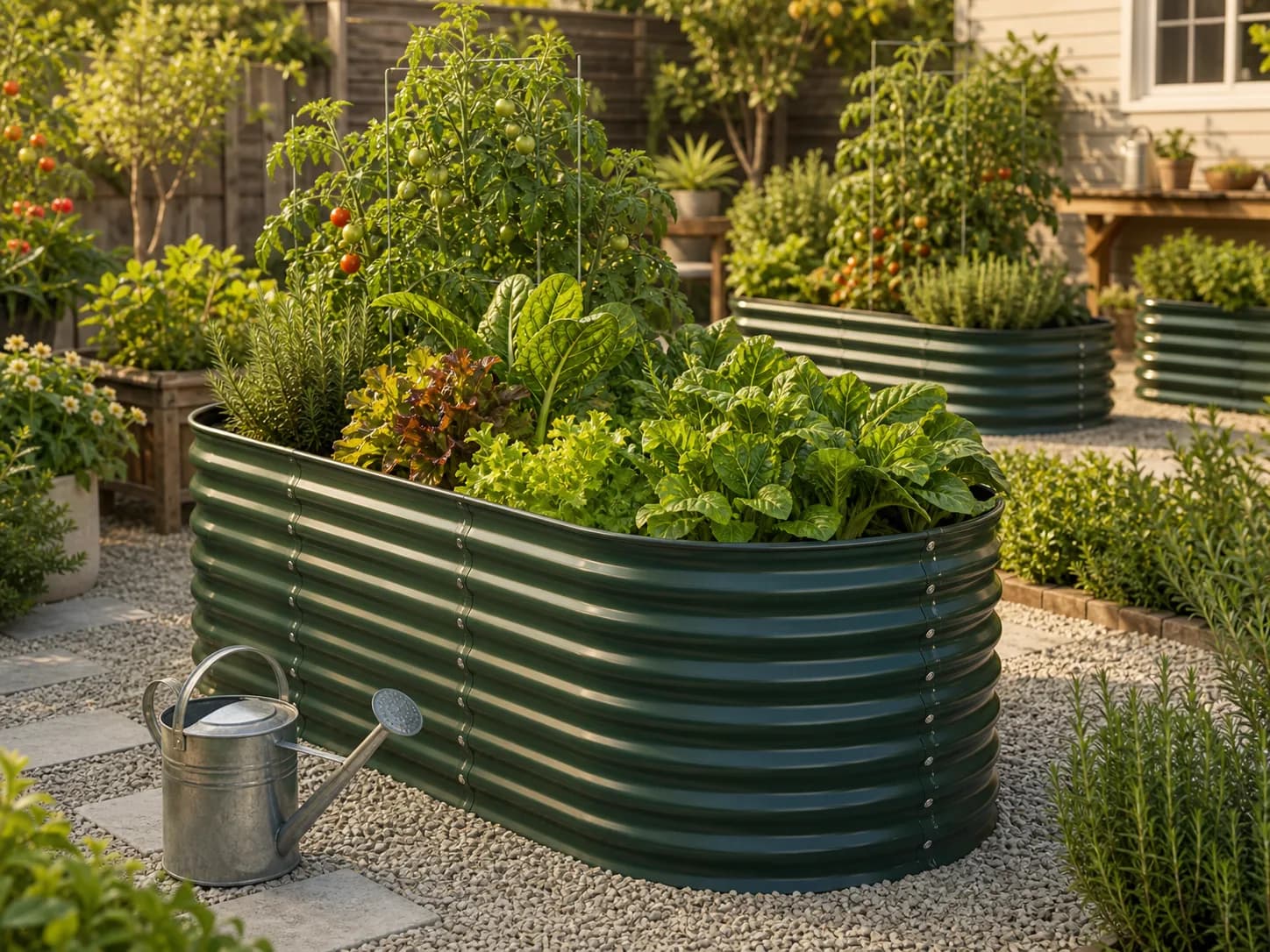
Vego Garden 32" Extra Tall 10-in-1 Modular Metal Raised Garden Bed Kit
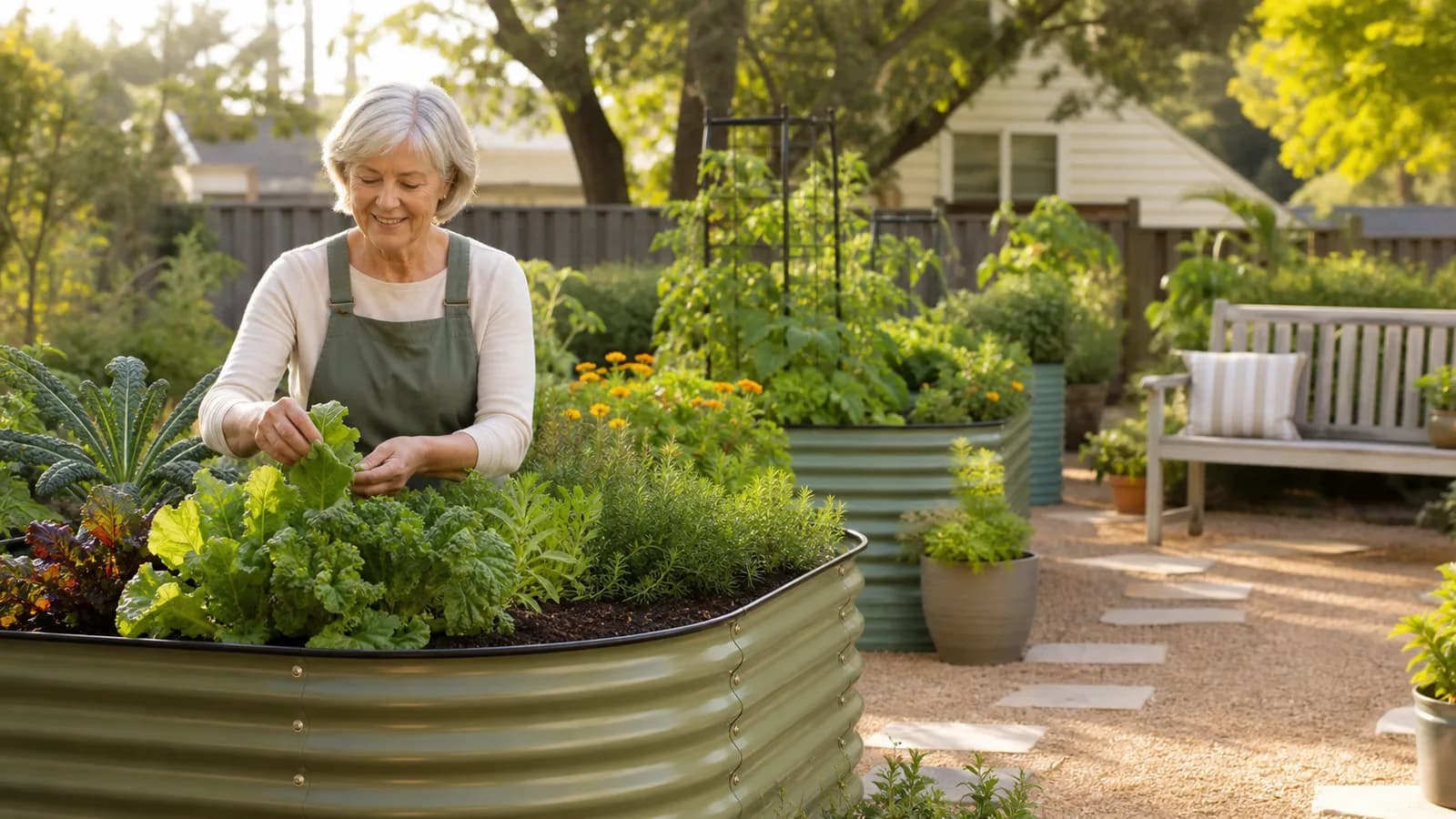
Best for: Seniors and gardeners with back strain who want a premium open-bottom bed with serious working height.
Why this pick: Accessibility-focused Vego versus elevated beds with legs
Height
32"
Size
10 possible layouts; common 4 ft x 8 ft style configurations
Type
extra tall modular metal raised bed
Key tradeoff: High soil/fill cost
Not best for: Deep-root vegetable growers who need more soil volume than a planter box can hold.
Key features
32-inch extra tall profile
10-in-1 modular layouts
Open-bottom deep soil design
Premium coated metal construction
Pros
Strong low-bend gardening choice
Deep root capacity for vegetables
Premium look and modular layout flexibility
Cons
High fill cost
Assembly and leveling matter more than on short beds
The best senior-friendly bed reduces the specific strain that keeps the gardener from maintaining the bed in summer.
Less bending, full vegetables
26- to 36-inch open-bottom ground bed
A taller soil line helps access while roots still get more depth.
Watch out: Plan fill volume before checkout.
Patio or rental use
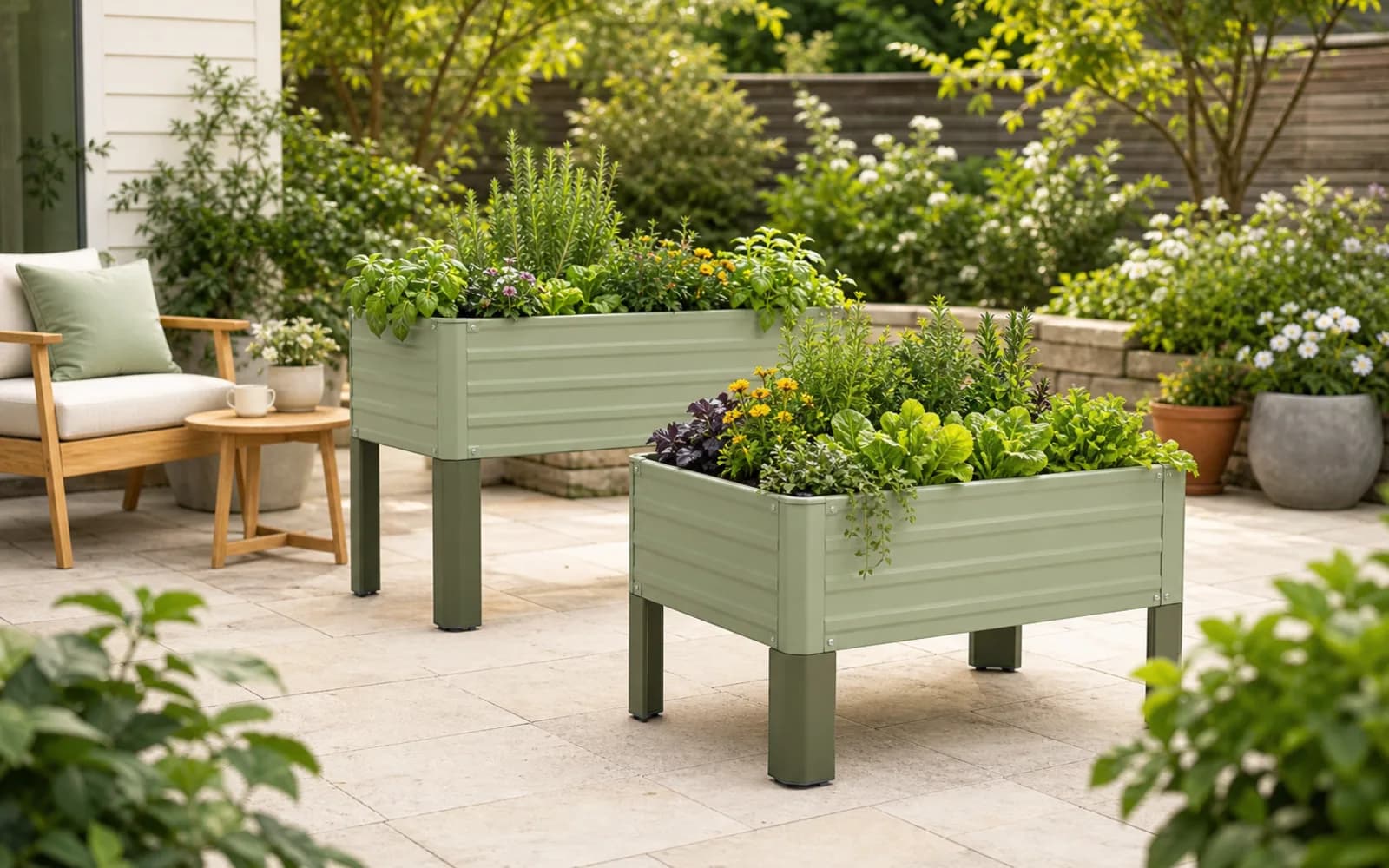
Elevated bed with legs
It avoids placing an open-bottom bed on soil you may not have.
Watch out: Container-style watering is less forgiving.
Limited arm reach
2 ft wide elevated or compact bed
Narrower beds are easier to tend from one side.
Watch out: Wide tall beds can still be hard to reach.
Tomato-heavy garden
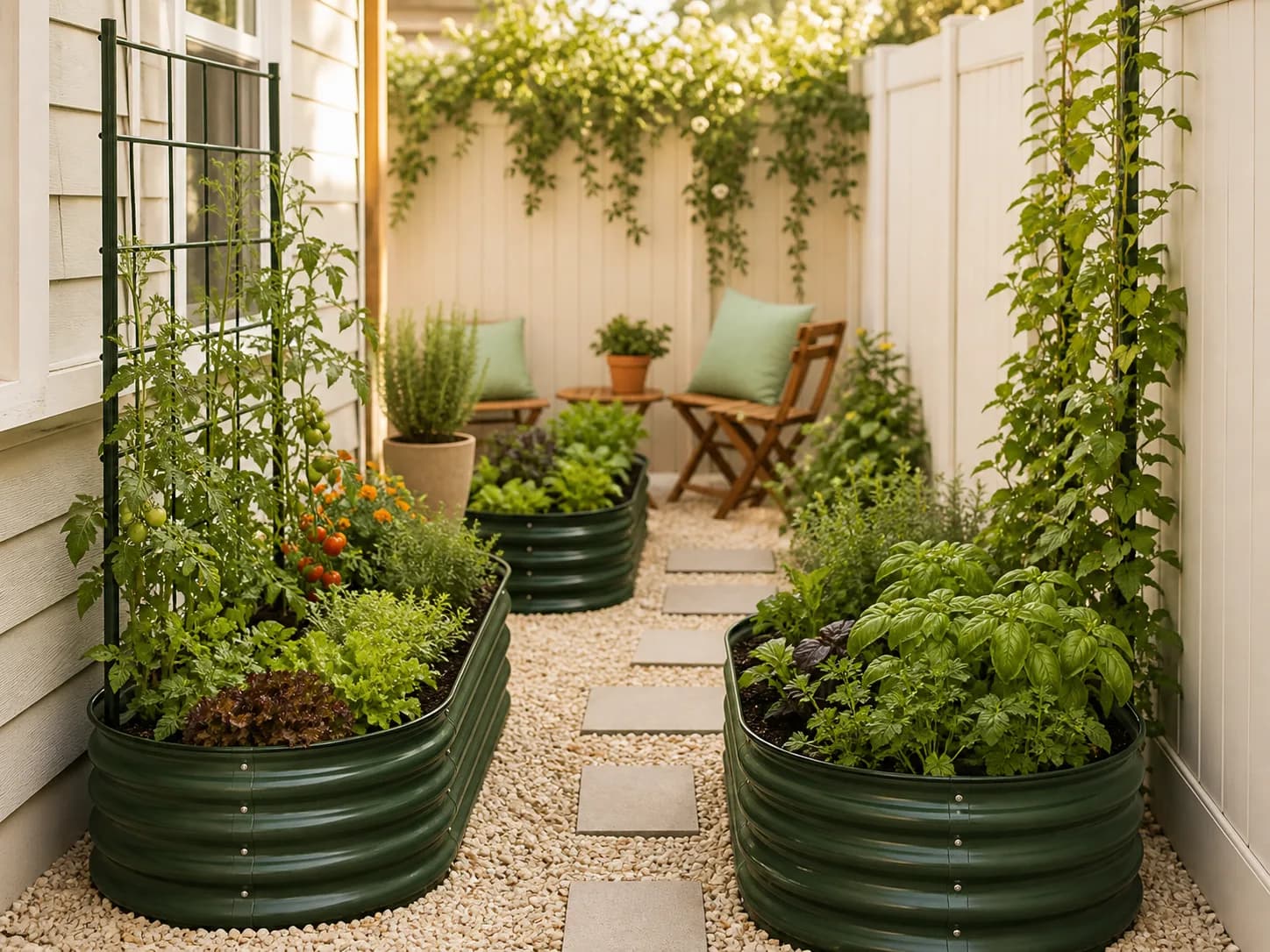
Tall ground bed plus trellis
Tomatoes need root depth and stable support more than wheels.
Watch out: Do not choose a shallow planter for large tomatoes.
Ground Bed vs Elevated Bed
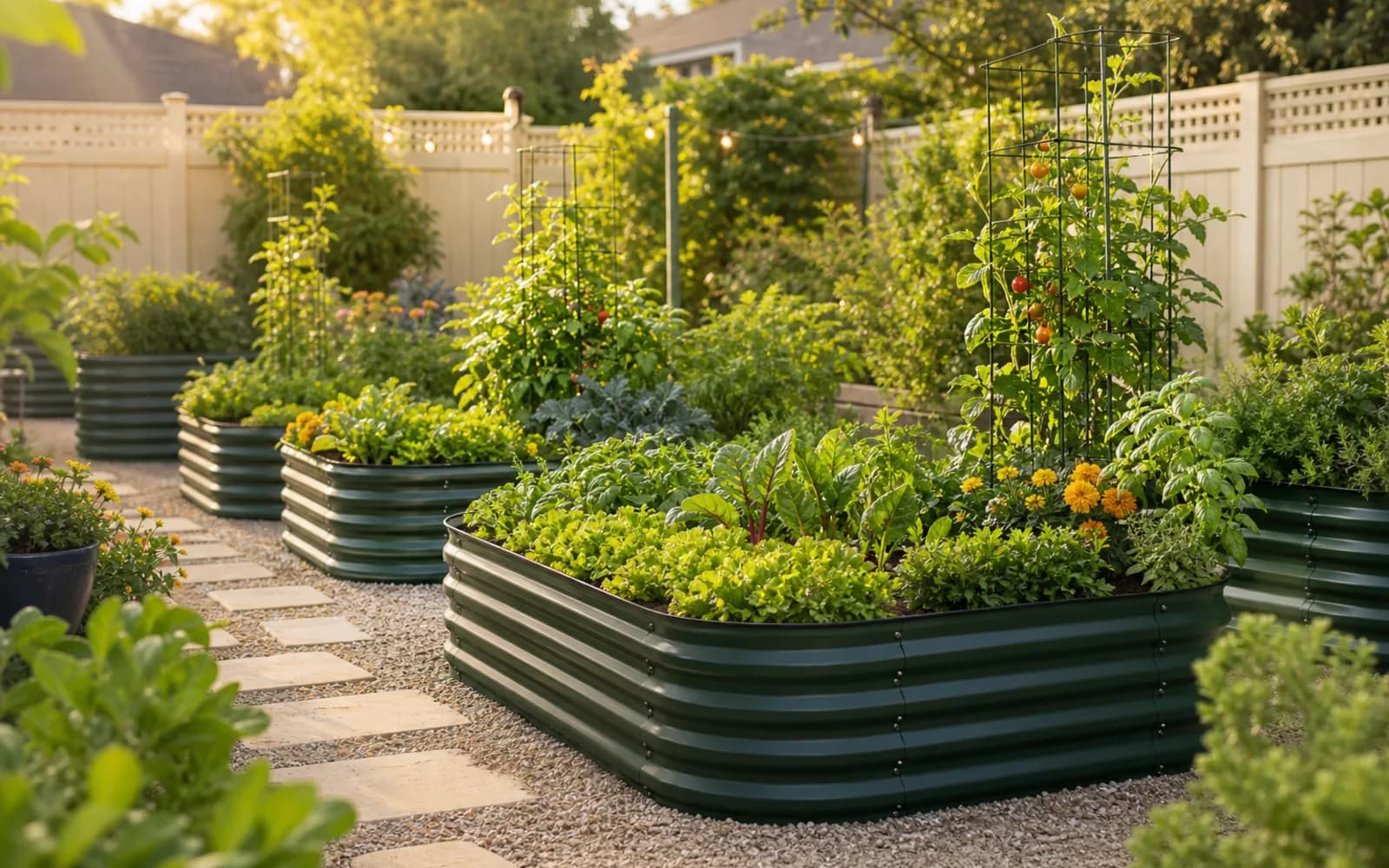
A tall ground bed is better when the gardener wants full vegetable production, deeper roots, and an open-bottom connection to native soil. It is the stronger choice for tomatoes, peppers, squash, and crop rotation. The tradeoff is fill volume. A 32-inch or 36-inch bed should be paired with a fill plan before purchase.
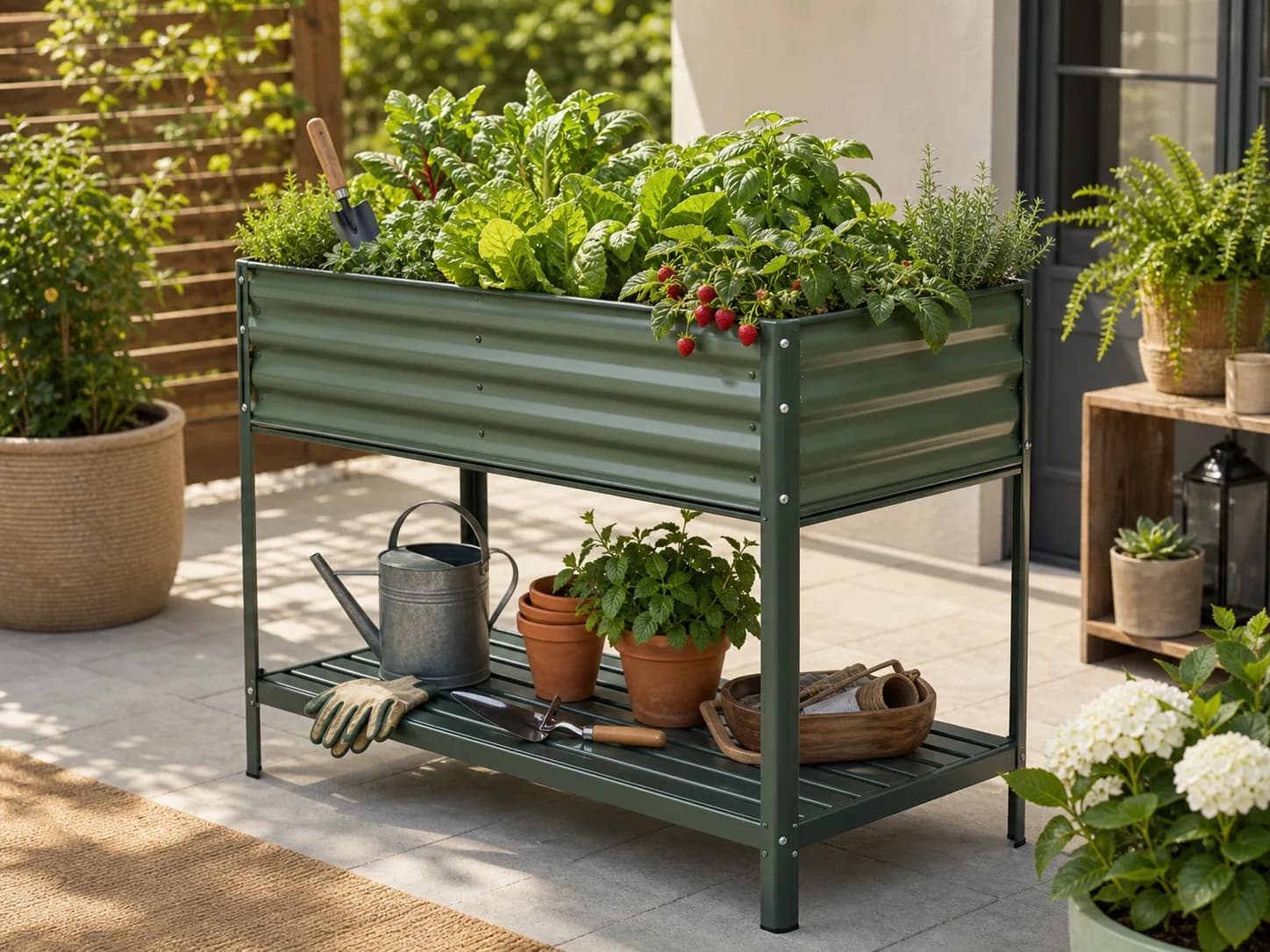
An elevated bed is better when the garden is on a patio, deck, balcony, or rental property. It reduces bending and uses less soil, but it behaves like a container. That means less root depth, faster drying, and more attention to watering.
The practical answer for many seniors is not one bed type forever. A patio elevated bed can be ideal for herbs and greens near the kitchen. A taller open-bottom bed can handle tomatoes and deeper-root vegetables if there is yard space and help with setup.
Safety and Comfort Checks Before Buying
Check the working width. If the gardener will access the bed from one side, two feet wide is usually easier than four feet. If the bed is four feet wide, make sure there is path space on both long sides.
Check path stability. Raised beds are more comfortable when the gardener can stand on a flat, non-slip surface. Mulch paths, pavers, or compacted gravel may work better than uneven lawn around the bed.
Check edge treatment. Rounded corners, rubber edging, and smoother panel connections matter when hands, sleeves, or knees may contact the bed. Budget beds can still be useful, but inspect sharp edges before filling.
Check fill logistics. Soil bags, compost, and mulch are heavy. A senior-friendly bed that requires a huge fill project may need delivery, a helper, or a layered fill plan. Use the Raised Bed Soil Calculator before choosing extra-tall beds.
Common Mistakes
Do not assume wheels solve mobility. Once a planter is full of wet soil, wheels only help on smooth hard surfaces. They are not a solution for lawns, gravel, or uneven patios.
Do not buy a bed that is too wide. Height reduces bending, but reach width decides whether harvesting and weeding are comfortable.
Do not choose a tall bed without a watering plan. Taller and elevated beds can dry faster at the top, and daily watering can become the chore the bed was supposed to reduce.
Do not forget trellis height. Tomatoes and cucumbers may still require reaching upward. If overhead reach is limited, choose compact crops or lower support systems.
FAQ
What height raised garden bed is best for seniors?
For less bending, many seniors prefer elevated beds or ground beds around 24 to 36 inches tall. The best height depends on reach, balance, path stability, and whether the gardener wants deep-root vegetables or patio herbs.
Are elevated garden beds better for seniors?
Elevated beds are often better for patios, renters, herbs, greens, and gardeners who want less bending with less soil. Tall open-bottom beds are better for larger vegetable gardens and deeper root systems.
How wide should a raised bed be for seniors?
If the bed is accessible from both sides, up to 4 feet can work for many gardeners. If it is against a wall or fence, 2 feet wide is usually easier to reach.
Are rolling raised garden beds worth it?
Rolling beds are worth it only on smooth hard surfaces where occasional repositioning is useful. Once filled, they are heavy and may not roll well on rough patios, lawns, or gravel.
What should seniors grow in elevated beds?
Herbs, lettuce, spinach, compact peppers, strawberries, flowers, and shallow-rooted vegetables are good fits. Large tomatoes, squash, and deep-root crops usually need more root volume or stronger support.
Final Verdict
The best raised garden bed for seniors is the one that reduces the whole workload: bending, reaching, watering, carrying, and walking on unstable paths. For deep vegetable gardening, the Vego 32" extra tall bed and SnugNiture 36" bed are the strongest low-bend choices, but both need serious fill planning. For patios and herbs, the Vego Elevated V Series 2 x 4 is the easier first pick. Choose rolling or self-watering models only when those features solve a real problem.
Comfort is not just height. It is reach, stability, water management, and whether the garden will still feel manageable halfway through the season.