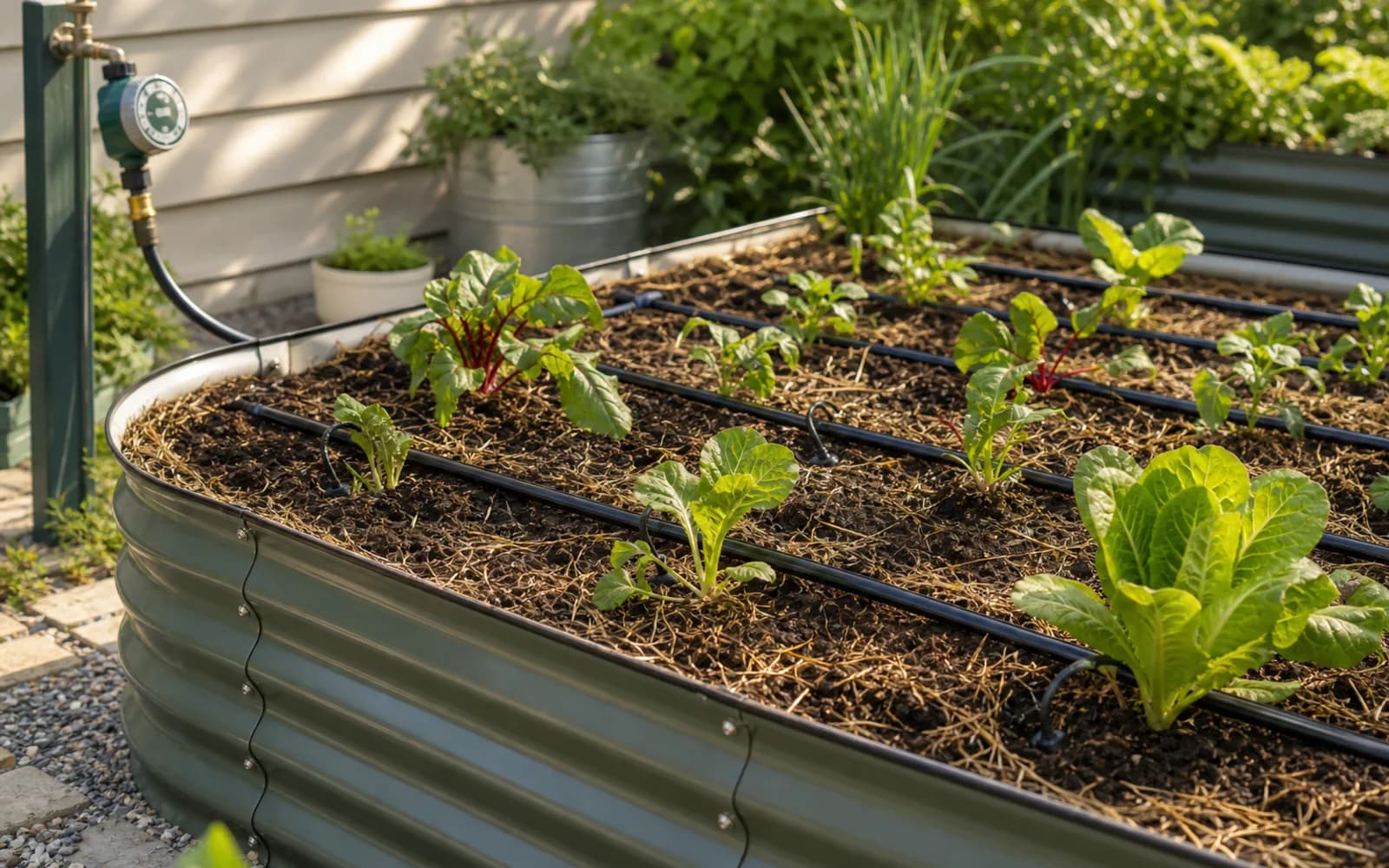
Start with the product that matches your constraint.
Use this compact matrix before reading the full guide. It keeps the choice grounded in fit, tradeoff, setup risk, and a current offer path without showing stale Amazon prices or ratings.
Start hereVego Garden
17" Tall 9-in-1 Modular Metal Raised Garden Bed Kit
Choose if
Most backyard vegetable gardens, first serious raised bed buyers, tomato and pepper growers
The hidden cost of a raised bed is not the frame. It is the fill. A 17-inch backyard bed can need dozens of cubic feet of material, and a 32-inch or 36-inch comfort-height bed can turn into a surprisingly expensive soil project if you fill every inch with bagged mix.
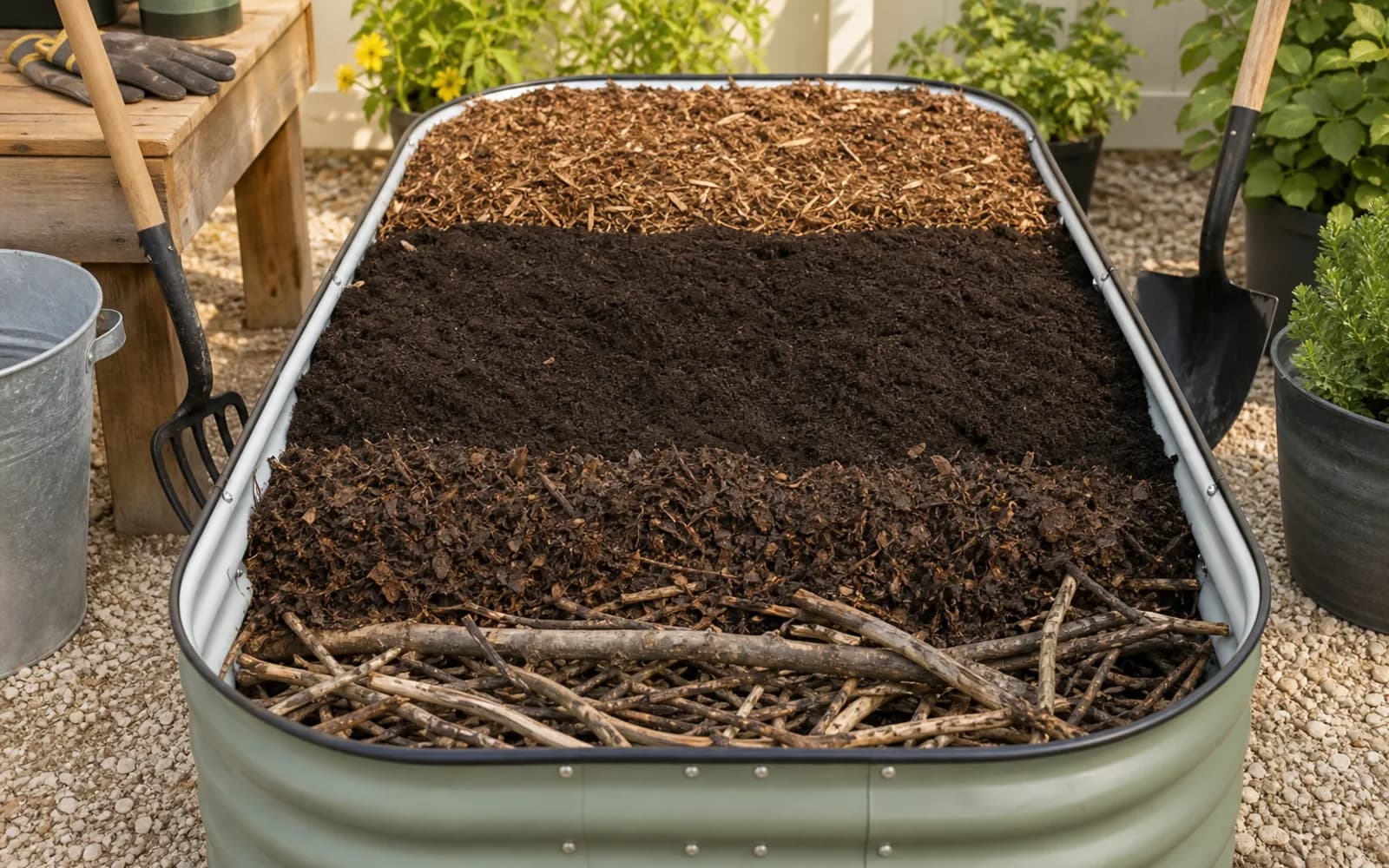
The better approach is to fill from the plant roots downward. Put your best growing mix where roots actually feed. Use compost and mineral soil to build a stable root zone. Use clean bulk organic material only when the bed is deep enough and the crop plan can tolerate settling. Keep the bottom open when the bed sits on soil, and treat elevated planters like large containers because they drain and dry differently.
This guide is written as a supporting page for raised-bed buyers. It links naturally to the Raised Bed Soil Calculator, the Best Raised Garden Beds, and vegetable-focused buying guides so readers can choose the right bed before spending money on soil. We do not hardcode Amazon prices, ratings, or availability because those fields can change.
Quick Fill Plan
Bed type
Best fill strategy
What to avoid
12-inch shallow bed
Mostly quality raised-bed mix and compost
Large logs or thick woody layers that steal root space
17-inch open-bottom bed
10 to 12 inches of good root-zone mix over modest compost/native-soil blending
Turning the whole bed into a wood-filled pit
24-inch deep vegetable bed
Strong top root zone plus clean lower bulk organic material if needed
Buying premium bagged mix for every cubic foot
32- to 36-inch tall bed
Layered fill plan: coarse clean organics low, compost/mineral blend above, best mix on top
Fresh wood near the root zone and poor drainage
Elevated planter
Container-style mix with drainage and moisture retention
Heavy native clay, logs, or materials that block drainage
Fill-cost decision
Choose the fill plan before buying the bed
Match fill to bed style and crop depth.
17-inch open-bottom bed
Root-zone mix over light lower fill
Most vegetables need the best mix in the top 10 to 12 inches.
Watch out: Avoid fresh wood near young roots.
24-inch deep vegetable bed
Layered fill with compost and mineral soil
Save cost below the root zone while keeping the crop layer productive.
Watch out: Use clean, drainable lower fill.
32- to 36-inch comfort bed
Bulk lower layer plus premium top layer
The height helps access, but all-bagged fill is rarely efficient.
Watch out: Budget for compost top-offs.
Elevated planter
Container-style mix
Planters on legs need lighter media and sharper drainage.
Watch out: Skip logs, clay, and dense debris.
Step 1: Calculate the Soil Volume First
Use this formula before you buy soil:
Bed size
Approximate volume
Why it matters
2 ft x 4 ft x 12 in
8 cubic feet
Typical elevated planter; container-like watering
47 in x 23 in x 24 in
about 15 cubic feet
Compact tall bed; manageable fill project
4 ft x 8 ft x 17 in
about 45 cubic feet
Common vegetable-bed scale; fill cost is real
4 ft x 8 ft x 24 in
64 cubic feet
Deep tomato/root-crop bed; needs a plan
4 ft x 8 ft x 32 in
about 85 cubic feet
Comfort-height bed; fill strategy decides value
The formula is simple: length x width x depth, all in feet. A 4 x 8 bed that is 17 inches deep is 4 x 8 x 1.42, or about 45 cubic feet. That number changes the buying decision. A tall bed may be worth it for comfort, but the fill can cost as much as the bed if you do not plan ahead.
Use the Raised Bed Soil Calculator before choosing between a 17-inch, 24-inch, and 32-inch bed. The calculator is especially useful when comparing the Best Metal Raised Garden Beds because height changes the real project cost.
Step 2: Decide Whether the Bed Is Open-Bottom or Container-Style
Most outdoor raised beds placed on soil should stay open at the bottom. Open-bottom beds drain better, let roots explore native soil when conditions are good, and do not need a solid base. If weeds are the problem, use plain cardboard as a temporary smothering layer. If burrowing pests are the problem, use hardware cloth under the bed before filling.
Elevated planters are different. They behave like large containers. They need a lighter, well-draining mix that still holds moisture. Do not fill elevated planters with heavy clay soil, logs, or dense debris. The bottom must drain, and the root zone must stay oxygenated.
This is why the same fill plan should not be used for every product. A Vego 17-inch open-bottom bed, a SnugNiture 36-inch ground bed, and a 2 x 4 elevated planter all need different fill decisions.
Step 3: Build the Root Zone First
Reserve the top 10 to 12 inches for your best growing material. This is where seedlings establish, feeder roots work, water and nutrients move, and most vegetable performance is decided. A good root-zone mix usually includes compost plus mineral soil or a raised-bed blend that holds water without turning soggy.
Avoid filling a large outdoor raised bed entirely with fluffy indoor potting mix. Potting mix can be expensive, may dry quickly outdoors, and can settle unevenly in large volumes. Also avoid using straight compost as the full root zone. Compost is valuable, but vegetables usually perform better in a balanced mix with structure, drainage, and mineral content.
For vegetable beds, the top layer matters more than the bottom layer. Spend money there first. If the budget is tight, buy less bed height or use clean lower layers in a deep bed instead of sacrificing the quality of the top root zone.
Step 4: Use Lower Layers Only When the Bed Is Deep Enough
In a 12-inch bed, there is no room for a bulky lower layer. Use good growing mix and compost. In a 17-inch bed, use lower filler sparingly because vegetable roots still need space. In 24-, 32-, and 36-inch beds, clean bulk material can reduce cost when used thoughtfully.
Suitable lower-layer materials can include small branches, aged wood chips, leaves, finished or partly finished compost, native soil that is not contaminated, and coarse organic matter that will slowly break down. Keep the richest soil near the top. If you use woody material, expect settling and plan to top off the bed with compost over time.
Do not use treated lumber scraps, painted wood, glossy paper, diseased plants, invasive weed roots, pet waste, meat, dairy, plastic bottles, or trash. These shortcuts either create contamination risk, drainage problems, or future cleanup.
Step 5: Water, Settle, and Top Off
After filling, water deeply and let the bed settle before planting if you can. Raised beds often drop after the first few watering cycles, especially when lower layers include leaves, compost, or wood. That settling is normal.
Leave a little headroom below the rim so mulch and irrigation water do not spill over. After planting, mulch the surface to reduce moisture swings. At the end of the season, top off with compost rather than rebuilding the entire bed from scratch.
If the bed is tall or the climate is hot, consistent moisture becomes more important. This is where drip irrigation or a raised-bed watering kit can become a real upgrade, not just an accessory.
Products Where Fill Planning Changes the Recommendation
Vego Garden
Vego Garden 17" Tall 9-in-1 Modular Metal Raised Garden Bed Kit
Best for: Most vegetable gardeners who want a premium bed with enough depth but not extreme fill cost.
Why this pick: Premium modular metal bed versus cheaper galvanized beds and Birdies
Height
17"
Size
up to 8 ft x 2 ft configuration; 9 possible layouts
Type
modular metal raised bed
Key tradeoff: More bolts than one-piece budget beds
Not best for: Buyers who only want the lowest upfront price.
Key features
17-inch open-bottom depth
9-in-1 modular layouts
Premium coated metal panels
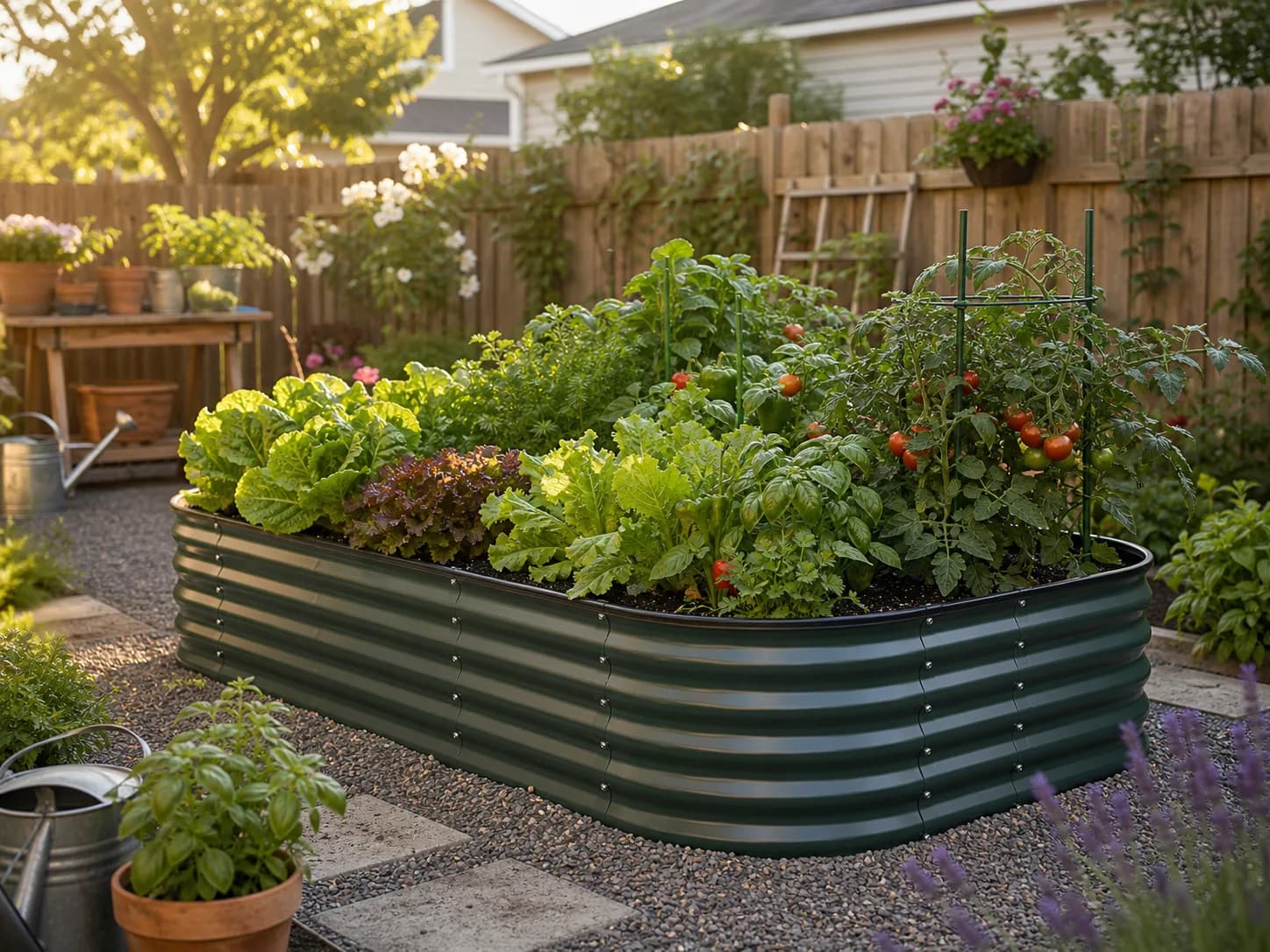
Good match for mixed vegetable beds
Pros
Best balance of depth and fill cost
Strong premium all-around pick
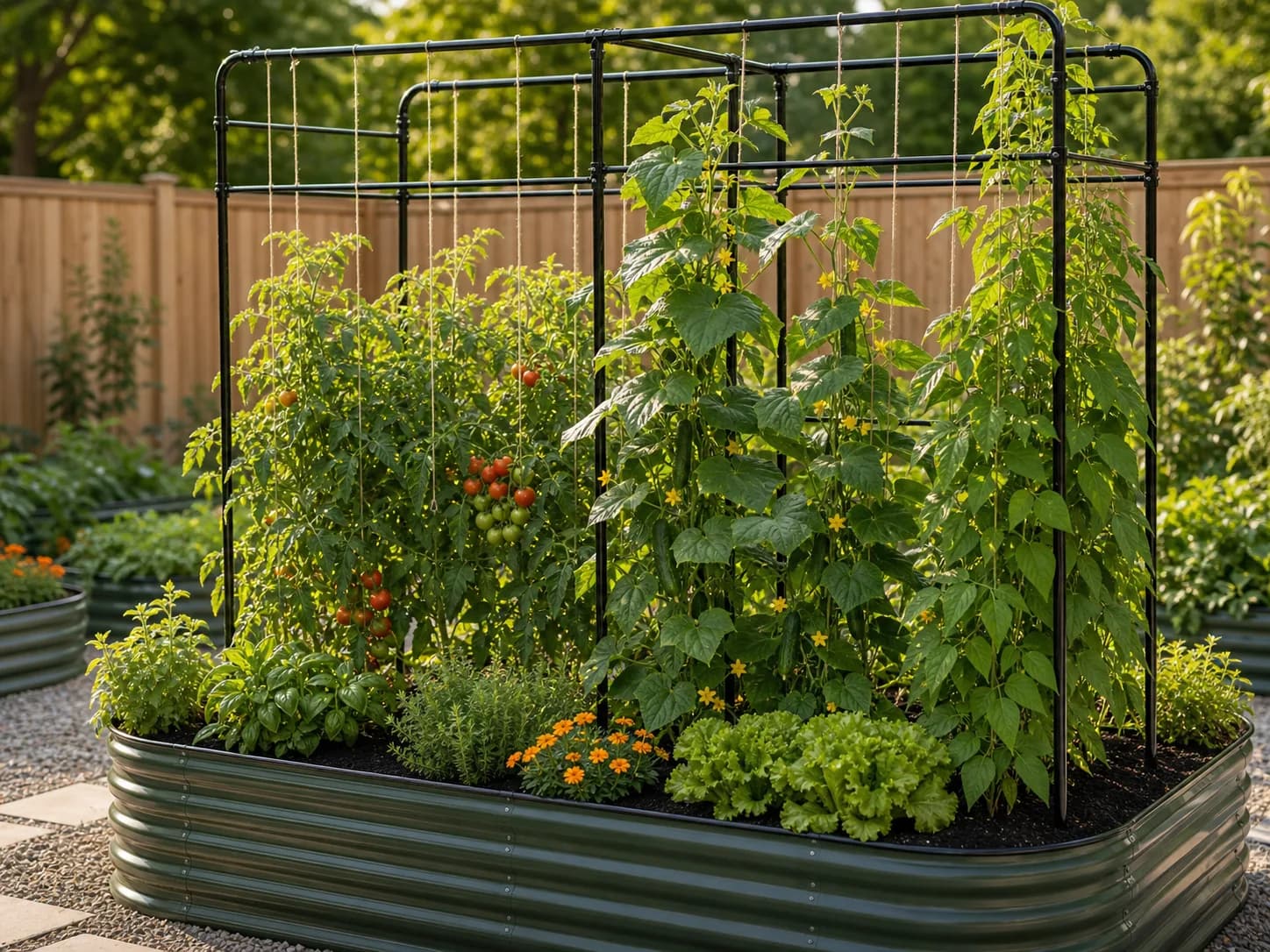
Works well with trellis and irrigation planning
Cons
Costs more than budget metal beds
Still needs about 45 cubic feet in a 4 x 8 x 17 in style setup
Do not buy the tallest bed before pricing the fill. Height can be valuable, especially for accessibility, but height without a fill plan becomes waste.
Do not bury fresh wood close to the root zone. Woody material belongs lower in deep beds, and even then it should be used with compost and realistic expectations about settling.
Do not use rocks as a drainage shortcut. Rocks take up useful volume, make future changes harder, and do not fix a poorly draining root zone. If drainage is a real issue, improve the mix, keep the bottom open, and choose the site carefully.
Do not fill elevated planters like ground beds. Elevated planters need container-style drainage and moisture management because roots cannot move into native soil.
Do not skip watering after filling. Dry fill can settle unevenly, and pockets around lower layers can collapse later. Watering helps the bed settle before seedlings depend on it.
FAQ
What is the cheapest way to fill a raised garden bed?
The cheapest good method is to reserve the best soil for the top 10 to 12 inches, then use clean compost, native soil, leaves, aged wood chips, or small branches lower in deeper beds. Do not use questionable waste material just to save money.
Can I fill a raised bed with only potting soil?
You can, but it is often expensive and not always ideal for large outdoor beds. Potting mix can dry quickly and settle in big volumes. A raised-bed blend with compost and mineral soil is usually more practical.
Should I put cardboard at the bottom of a raised bed?
Cardboard can help smother grass and weeds under an open-bottom bed. Use plain cardboard, remove tape and plastic labels, and expect it to break down over time. Do not use cardboard as a permanent drainage layer.
Can I put logs in the bottom of a raised bed?
Logs and branches can work in deep open-bottom beds, but they should be untreated and kept below the main root zone. Expect settling and add compost or nitrogen-rich material as the bed matures.
How much soil does a 4 x 8 raised bed need?
A 4 x 8 bed needs about 32 cubic feet at 12 inches deep, 45 cubic feet at 17 inches deep, 64 cubic feet at 24 inches deep, and about 85 cubic feet at 32 inches deep.
What should I not put in a raised bed?
Avoid treated lumber, painted wood, glossy paper, diseased plants, invasive weed roots, pet waste, meat, dairy, plastic bottles, and anything that blocks drainage or could contaminate the soil.
Final Verdict
The best way to fill a raised garden bed is to protect the top root zone and stop treating every inch as premium soil. Calculate volume first, choose the right bed height, keep outdoor ground beds open-bottom when possible, use clean lower layers only in deep beds, and expect settling.
For most buyers, a 17-inch open-bottom bed is the easiest balance of depth and cost. Move to a 24-, 32-, or 36-inch bed only when the crop plan, native soil, or accessibility benefit justifies the extra fill. The soil plan is not an afterthought. It is part of the purchase decision.