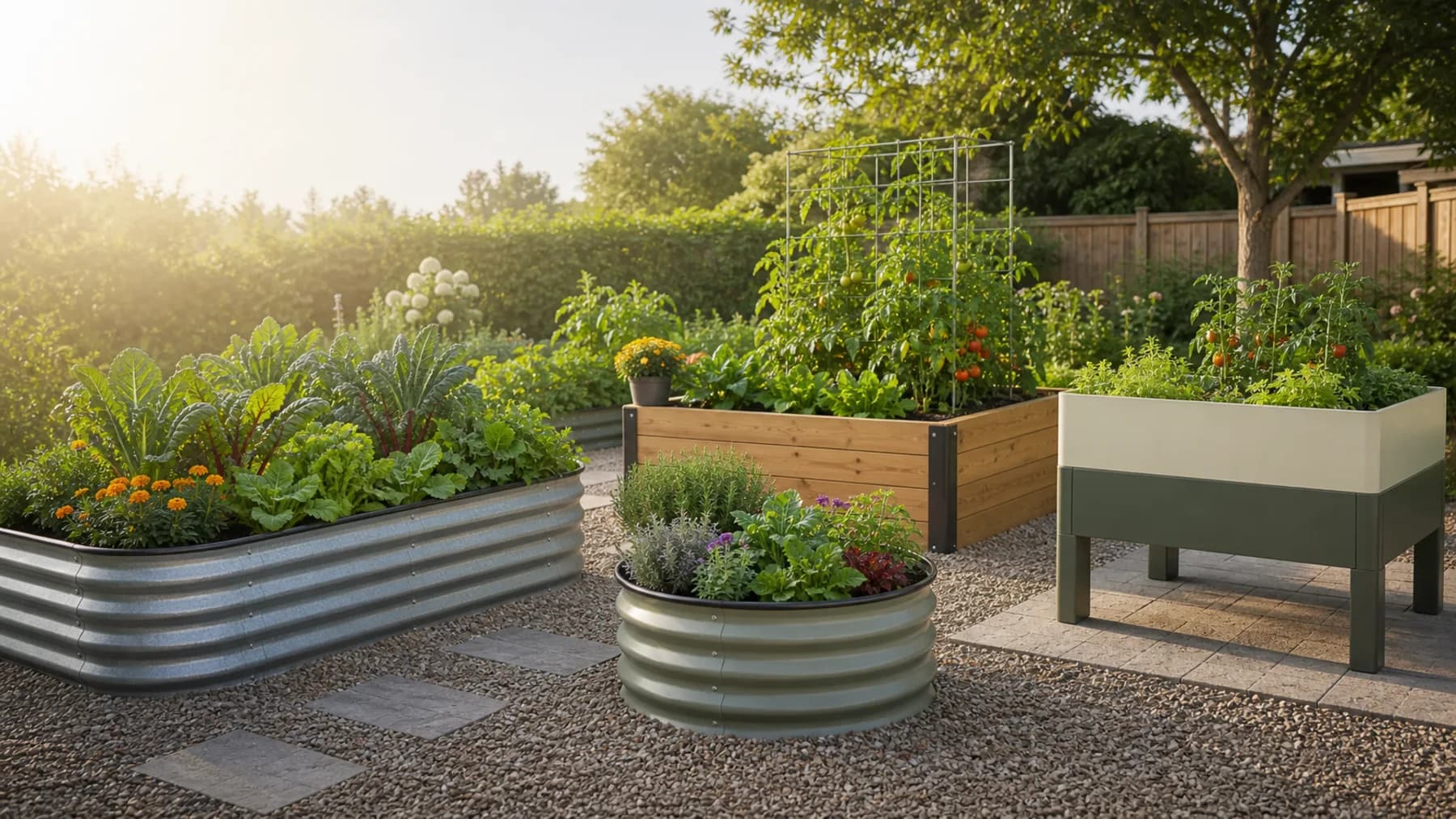
Start with the product that matches your constraint.
Use this compact matrix before reading the full guide. It keeps the choice grounded in fit, tradeoff, setup risk, and a current offer path without showing stale Amazon prices or ratings.
Start hereVego Garden
17" Tall 9-in-1 Modular Metal Raised Garden Bed Kit
Choose if
Most backyard vegetable gardens, first serious raised bed buyers, tomato and pepper growers
Raised beds look simple until you compare the details that matter after checkout: depth, footprint, fill cost, panel quality, reach, edge safety, irrigation, and whether the bed still makes sense for the crops you actually want to grow. The best raised garden bed for a tomato-heavy backyard is not always the best choice for a renter's patio, a senior gardener, or a small corner herb garden.
This guide is built as a buyer-first roundup, not a single-brand recommendation. Vego Garden is included because its modular metal beds are strong premium picks, but it is only one part of the market. We also include budget metal beds, compact Sunnydaze layouts, tall comfort-height options, elevated planters, and two-bed bundles for larger vegetable gardens. We analyzed product specs, buyer-feedback themes, Amazon listing details, and common gardening use cases. We do not claim hands-on testing, and we do not hardcode live Amazon prices, ratings, or availability because those fields can change.
Match the bed type to the garden you will actually maintain
The best raised bed is the one that fits your site, body, crops, and fill budget. Start with the scenario, then choose the product category.
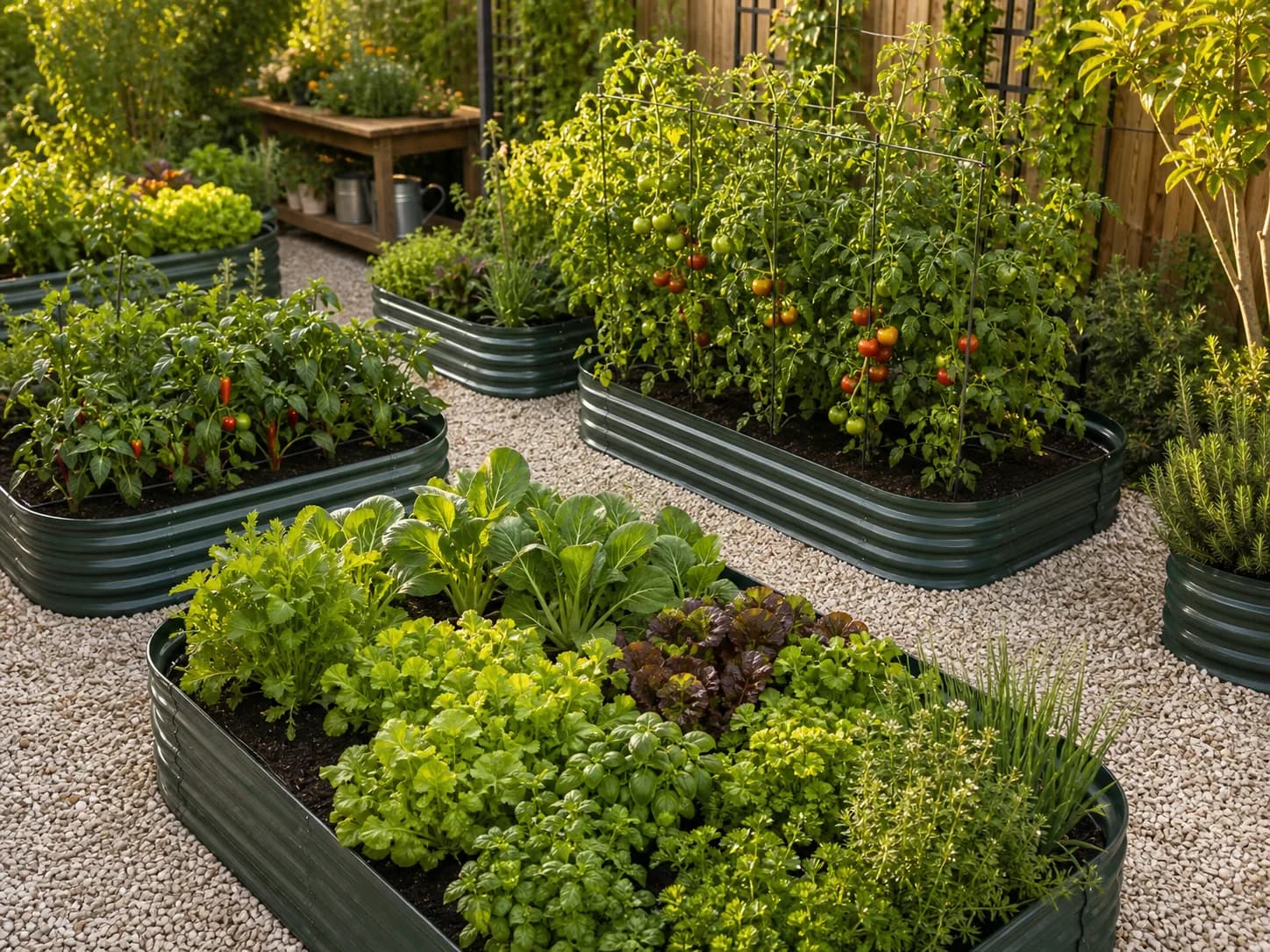
Backyard vegetables
17-inch open-bottom metal bed
It gives enough root depth for common vegetables without the fill cost of extra-tall beds.
Watch out: Do not buy the biggest bed before measuring path clearance and soil volume.
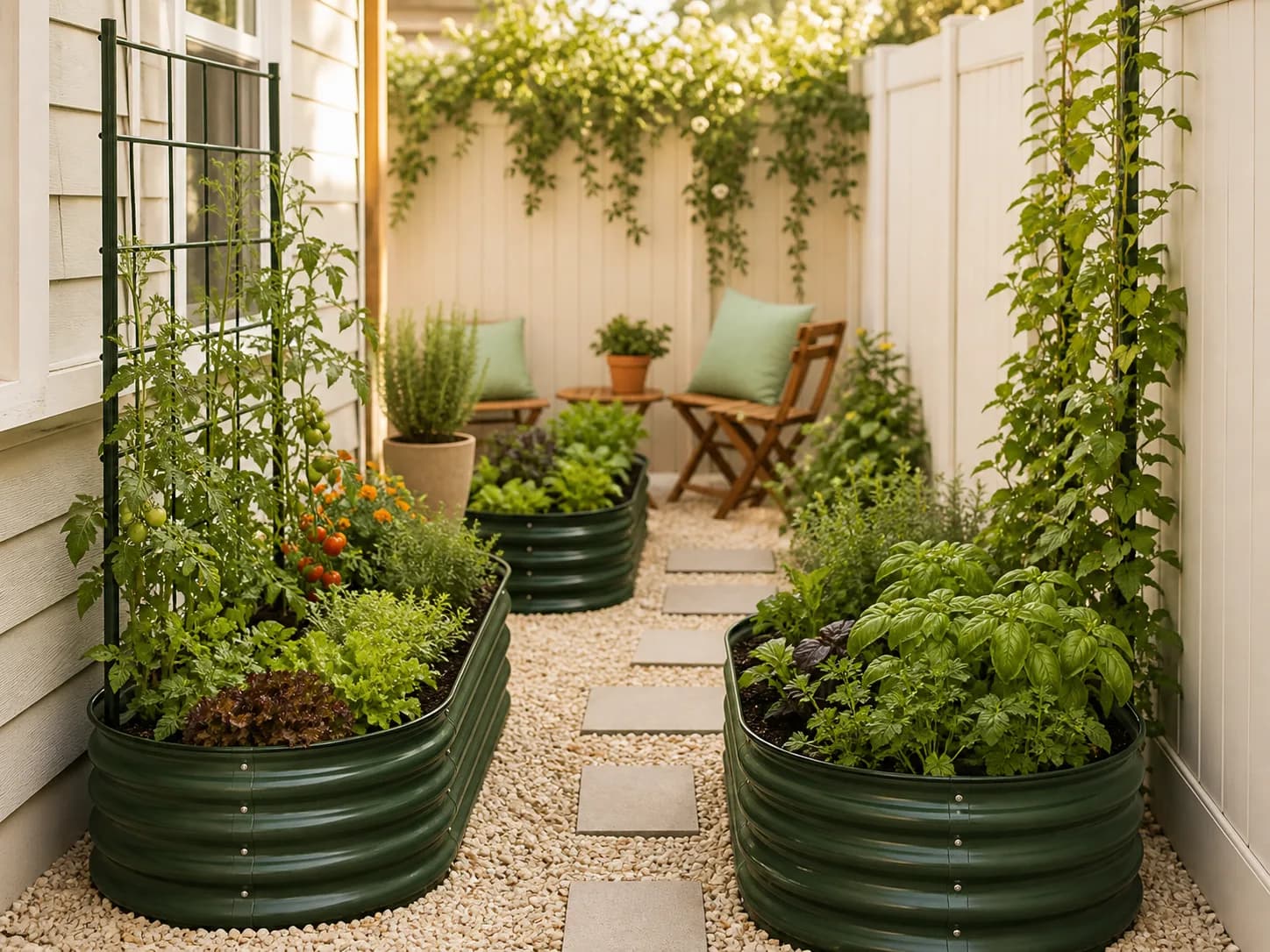
Patio or rental
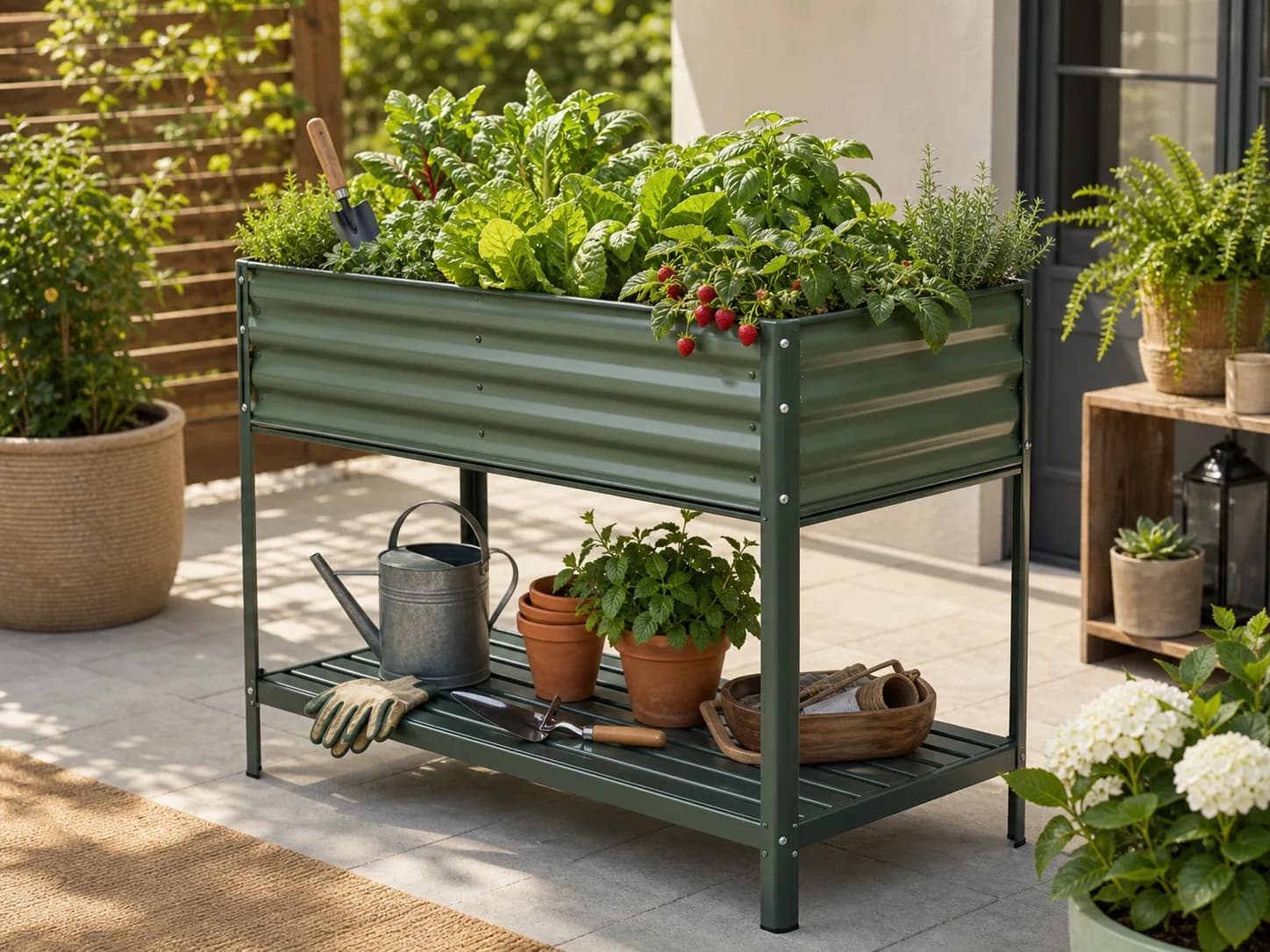
Elevated planter with legs
It works on hard surfaces and is easier to place where an open-bottom bed is not practical.
Watch out: It behaves like a large container, so watering and root depth matter more.
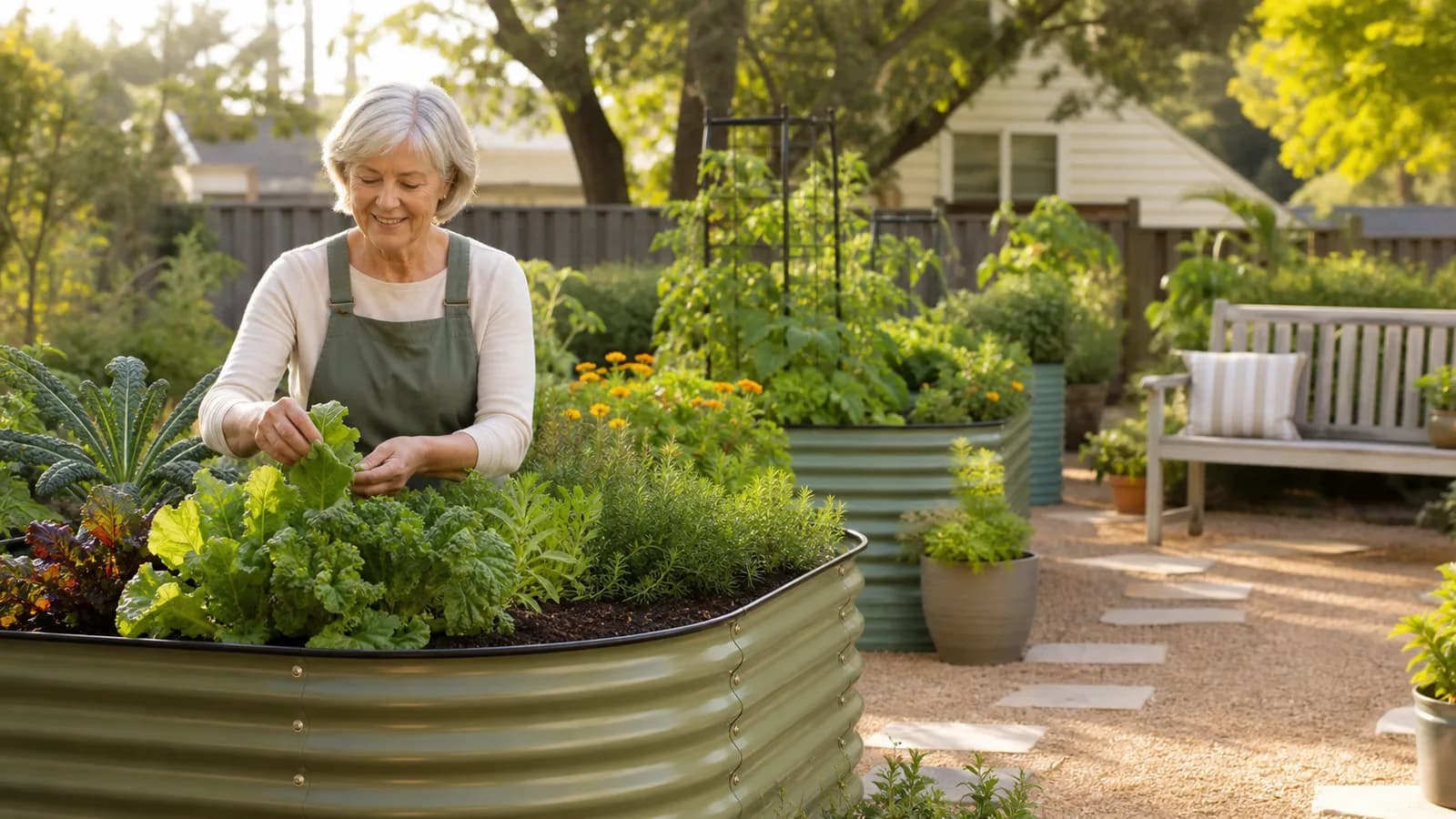
Senior-friendly access
Extra-tall ground bed or elevated bed
Higher working height can reduce bending and make daily harvests less tiring.
Watch out: Very tall ground beds need a fill strategy; elevated beds have less root volume.
Large budget plot
Budget 24-inch metal bed or two-pack
Budget galvanized beds can create more growing area for the money when finish polish is less important.
Watch out: Panel thickness, edge handling, and delivery inspection become more important.
How to Read This List
Do not start with the biggest bed. Start with the garden you are trying to maintain. A 17-inch open-bottom metal bed is a strong default for most vegetables because it gives useful loose soil depth without making fill cost extreme. A 24-inch bed gives more root room and a taller profile, but every inch of height adds soil volume. A 32- or 36-inch bed can reduce bending, but it should be treated as an accessibility and comfort purchase, not an automatic upgrade for everyone.
The second decision is open-bottom versus elevated. Open-bottom raised beds sit on the ground, drain into native soil, and let deeper roots continue below the bed if the soil underneath is usable. Elevated beds stand on legs or a frame. They are easier to place on patios and easier to reach, but they behave more like large containers, which means watering and root depth matter more.
Finally, separate premium finish from pure growing value. Vego Garden tends to win on modularity, color choices, rounded design, accessory compatibility, and a more finished look. Budget beds from brands like KING BIRD, ANLEOLIFE, Sunnydaze, and Garvee can offer more size per dollar, but buyers should inspect panels, hardware, edges, and packaging before assembly.
Top Recommendations
Vego Garden
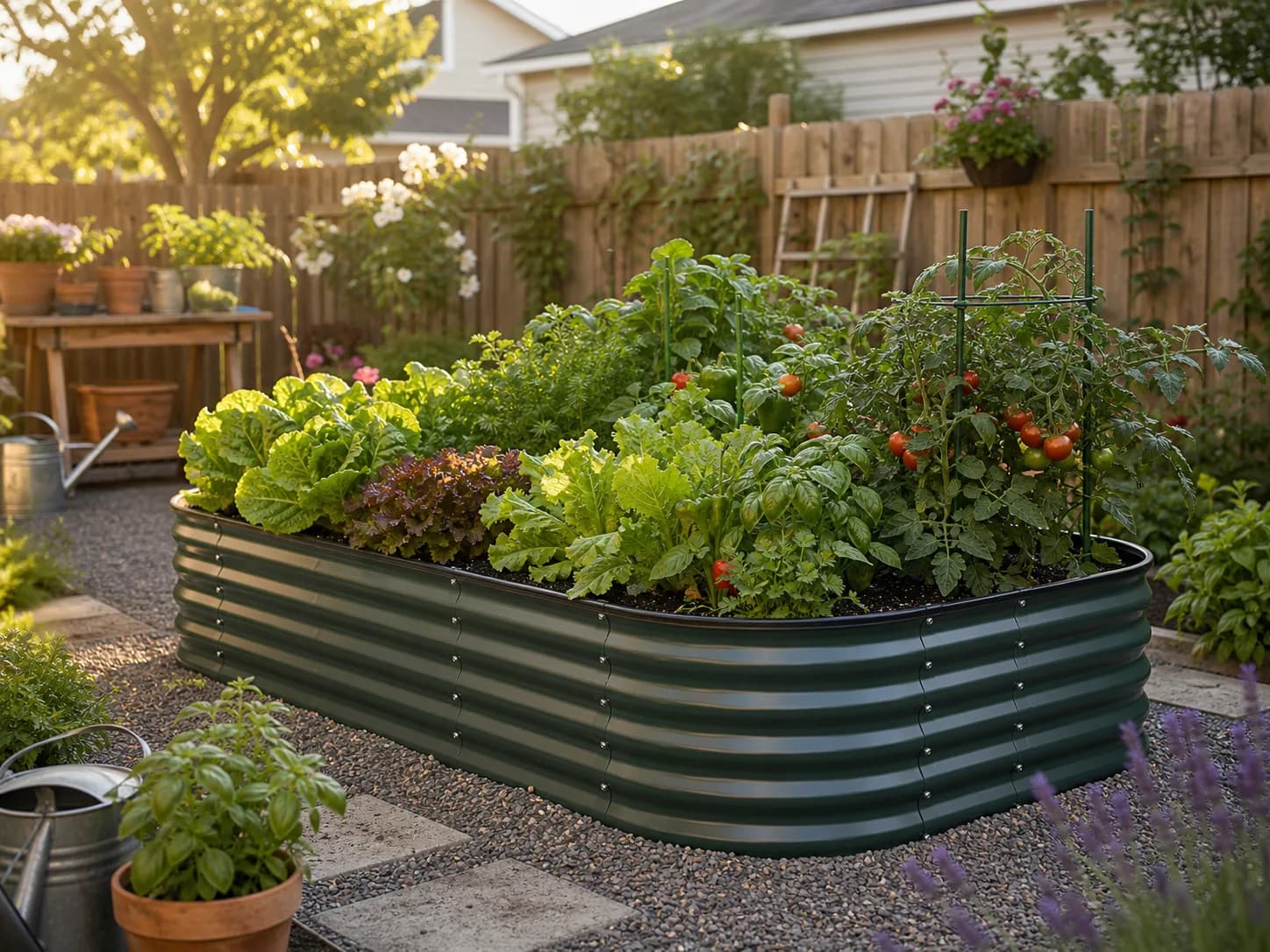
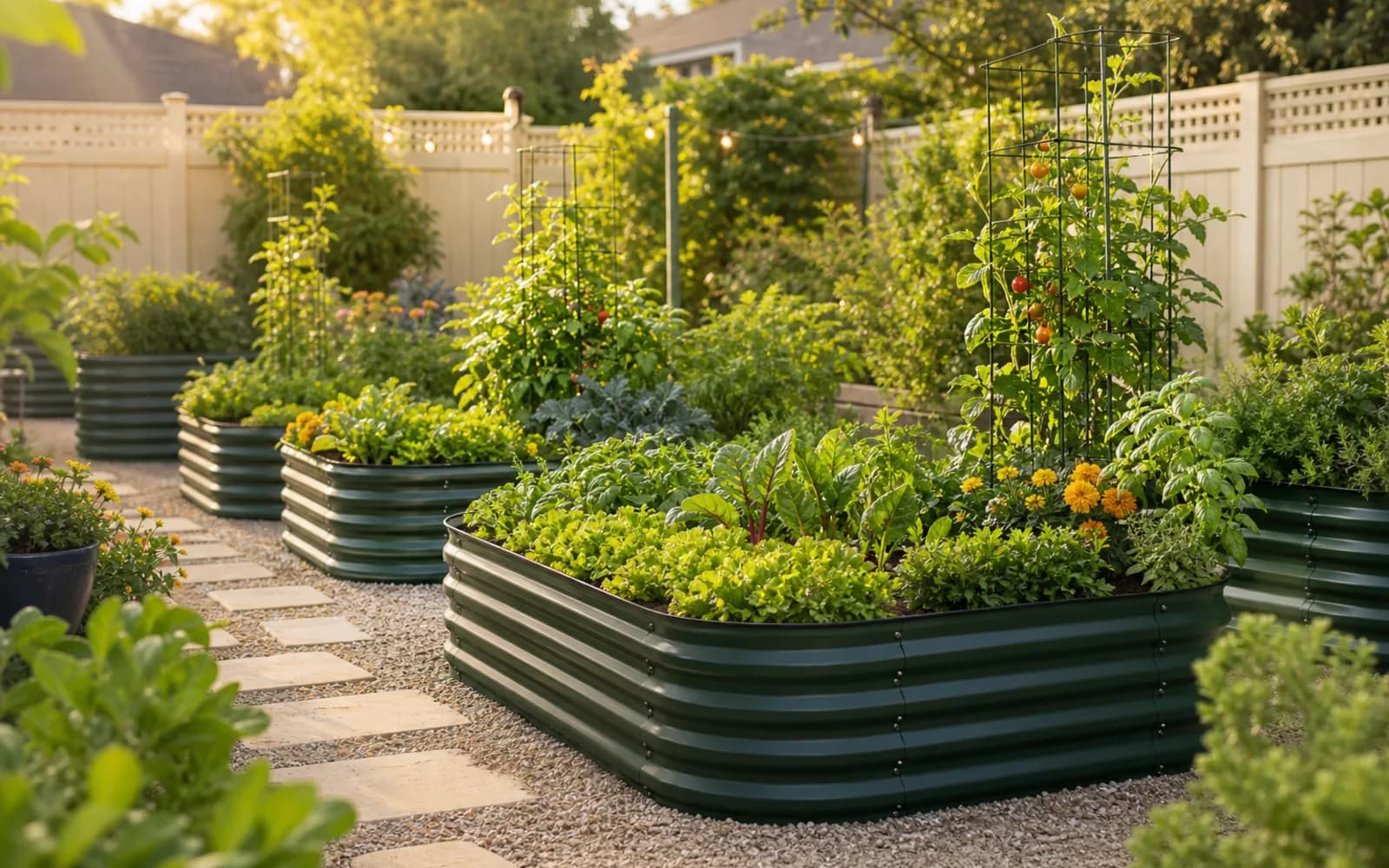
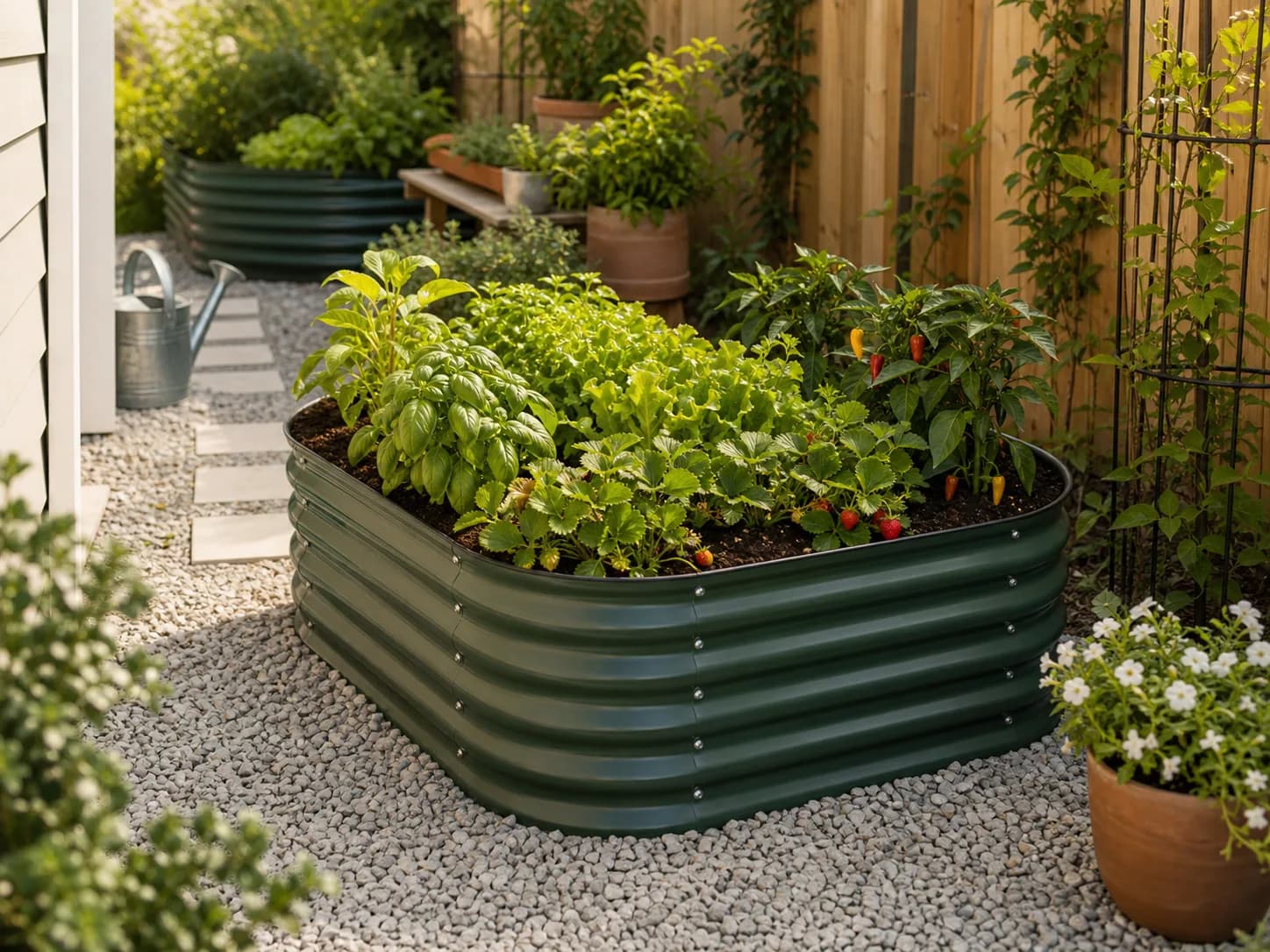
Vego Garden 17" Tall 9-in-1 Modular Metal Raised Garden Bed Kit
Best for: Most backyard vegetable gardens where a premium finish, 17-inch depth, and flexible modular layouts matter.
Why this pick: Premium modular metal bed versus cheaper galvanized beds and Birdies
Height
17"
Size
up to 8 ft x 2 ft configuration; 9 possible layouts
Type
modular metal raised bed
Key tradeoff: More bolts than one-piece budget beds
Not best for: Buyers who only want the lowest upfront price.
Raised bed complaints are rarely about the concept of raised-bed gardening itself. They usually come from mismatch. A buyer chooses a tall bed and then realizes the fill cost is bigger than expected. A budget bed looks good in the listing but arrives with a bent panel. A compact elevated bed is comfortable but dries faster than an open-bottom bed. A premium modular kit feels sturdy when finished but takes longer to assemble than expected.
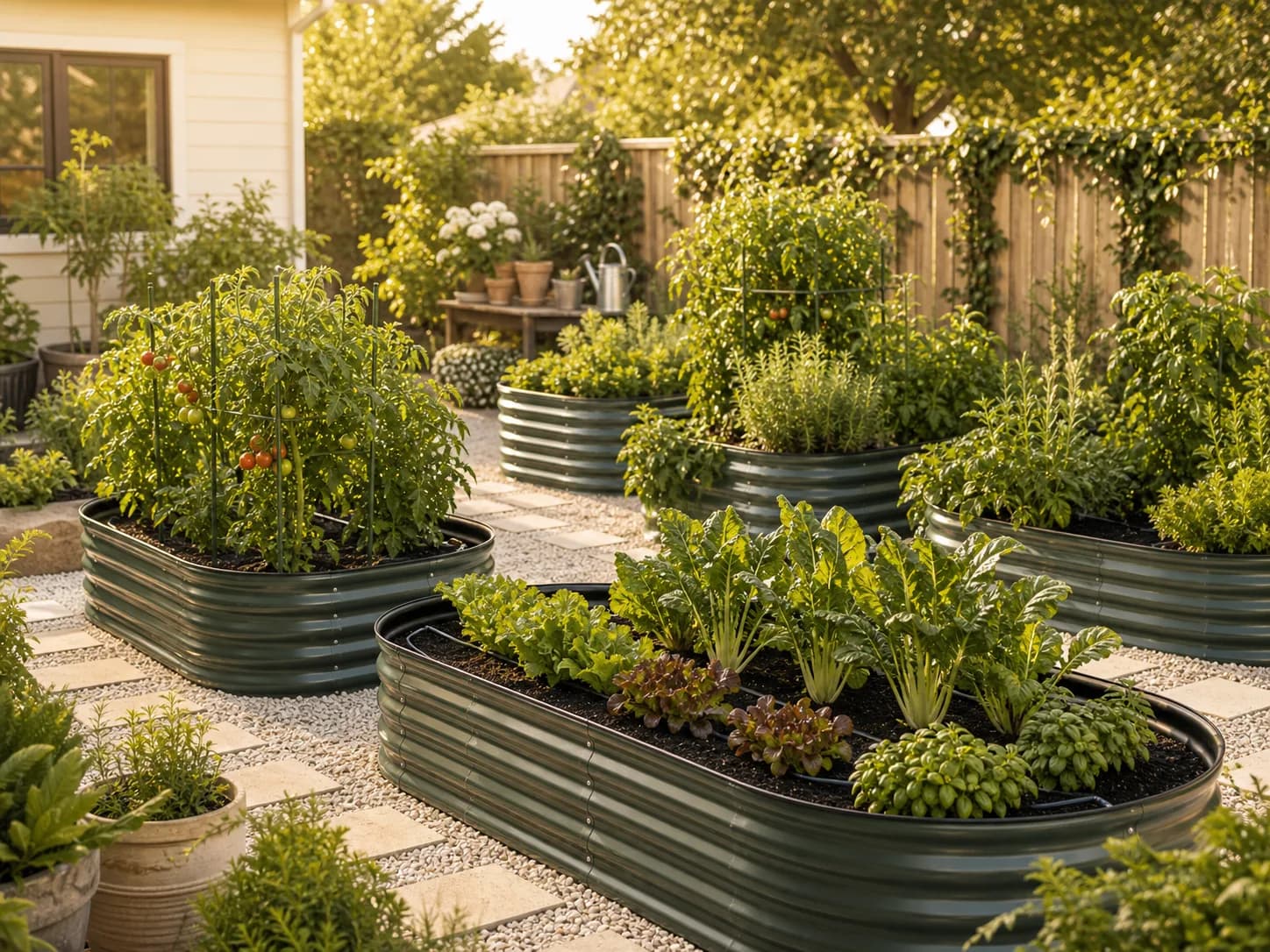
That is why this list separates best use cases instead of ranking only by brand. Vego is a strong premium pick when finish, modularity, and accessory compatibility matter. KING BIRD, ANLEOLIFE, and Garvee make more sense when the buyer wants size and depth at a lower upfront cost. Sunnydaze is useful when the footprint is the problem. Elevated Vego planters are best when bending, patio placement, or rental constraints matter more than deep-root production.
How to Choose the Right Raised Garden Bed
Start with depth. For herbs, lettuce, flowers, and shallow-root vegetables, 12 inches can work. For a general vegetable garden, 17 inches is a safer default. For tomatoes, peppers, eggplant, squash, and root crops, deeper loose soil or access to native soil below the bed helps. A 24-inch bed is useful when you want more depth and a taller profile, but it increases fill cost quickly.
Next, check reach. Four feet wide is common because many adults can reach the center from both sides, but that assumes you can walk around the entire bed. If the bed sits against a fence, two feet wide is usually more comfortable. Tall beds do not solve reach problems if the bed is too wide.
Then choose material. Metal beds avoid wood rot and can look clean for years, but quality varies. Premium coated beds usually win on finish, rounded edges, color consistency, and accessory fit. Budget galvanized beds can still be smart purchases, especially for larger plots, but buyers should inspect panels and hardware before assembly.
Finally, calculate fill before buying. This is the hidden cost that changes the whole recommendation. A 36-inch-tall 8 x 4 bed can be comfortable, but it needs a serious fill plan. Use logs, branches, compost, native soil, and high-quality top mix thoughtfully, and avoid creating a bed that drains poorly or collapses as organic material breaks down.
Mistakes to Avoid
Do not buy a tall bed only because it looks premium. Height should solve a real problem: comfort, deeper roots, poor native soil, or easier access. Otherwise, you may pay more for both the bed and the fill without getting a better garden.
Do not ignore crop support. If you are growing tomatoes, cucumbers, peas, or pole beans, plan the trellis before the bed is full. It is easier to choose compatible dimensions now than to improvise supports later.
Do not assume every patio can hold every elevated planter. Soil, water, and wet potting mix are heavy. Check the surface, drainage, and whether the planter will stay level.
Do not assemble a damaged metal bed without checking parts first. Open the boxes, count hardware, inspect sharp edges, and photograph shipping damage before the bed is half-built.
FAQ
What is the best raised garden bed for most people?
For most backyard vegetable gardeners, a 17-inch open-bottom metal raised bed is the best starting point. It gives useful depth, drains well, and keeps fill cost more manageable than very tall beds.
Are metal raised garden beds better than wood?
Metal beds usually resist rot better than untreated wood and can be easier to assemble. Wood can still be a good choice for DIY builders, but it needs species, thickness, and treatment decisions that many buyers would rather avoid.
How deep should a raised garden bed be for vegetables?
Many vegetables grow well in 12 to 17 inches of good soil, especially when the bed is open to native soil below. Tomatoes, peppers, squash, and root crops benefit from deeper soil or a bed placed over workable ground.
Is an elevated raised bed better for seniors?
An elevated bed can be better for seniors because it reduces bending and can work on patios. The tradeoff is smaller root volume and more container-like watering. A tall open-bottom bed gives deeper soil but requires far more fill.
Should I buy Vego Garden or a cheaper Amazon bed?
Choose Vego when you value finish, modular layouts, rounded design, color options, and compatible accessories. Choose a cheaper Amazon bed when size, depth, and budget matter more than premium finish, and inspect panels carefully before assembly.
Final Verdict
The best raised garden bed for most people is still a 17-inch open-bottom metal bed because it balances depth, drainage, price, and fill cost. The Vego Garden 17" 9-in-1 is the premium all-around pick. KING BIRD and ANLEOLIFE are better for buyers who want more size for the money. SnugNiture is the stronger comfort-height choice if bending is the main problem. Vego's elevated planter is the better patio pick.
Buy the bed that matches your site and maintenance style, not the one that simply looks largest. The right raised bed should be easy to reach, deep enough for your crop plan, realistic to fill, and sturdy enough that you are not replacing it after one season.