Start hereVego Garden
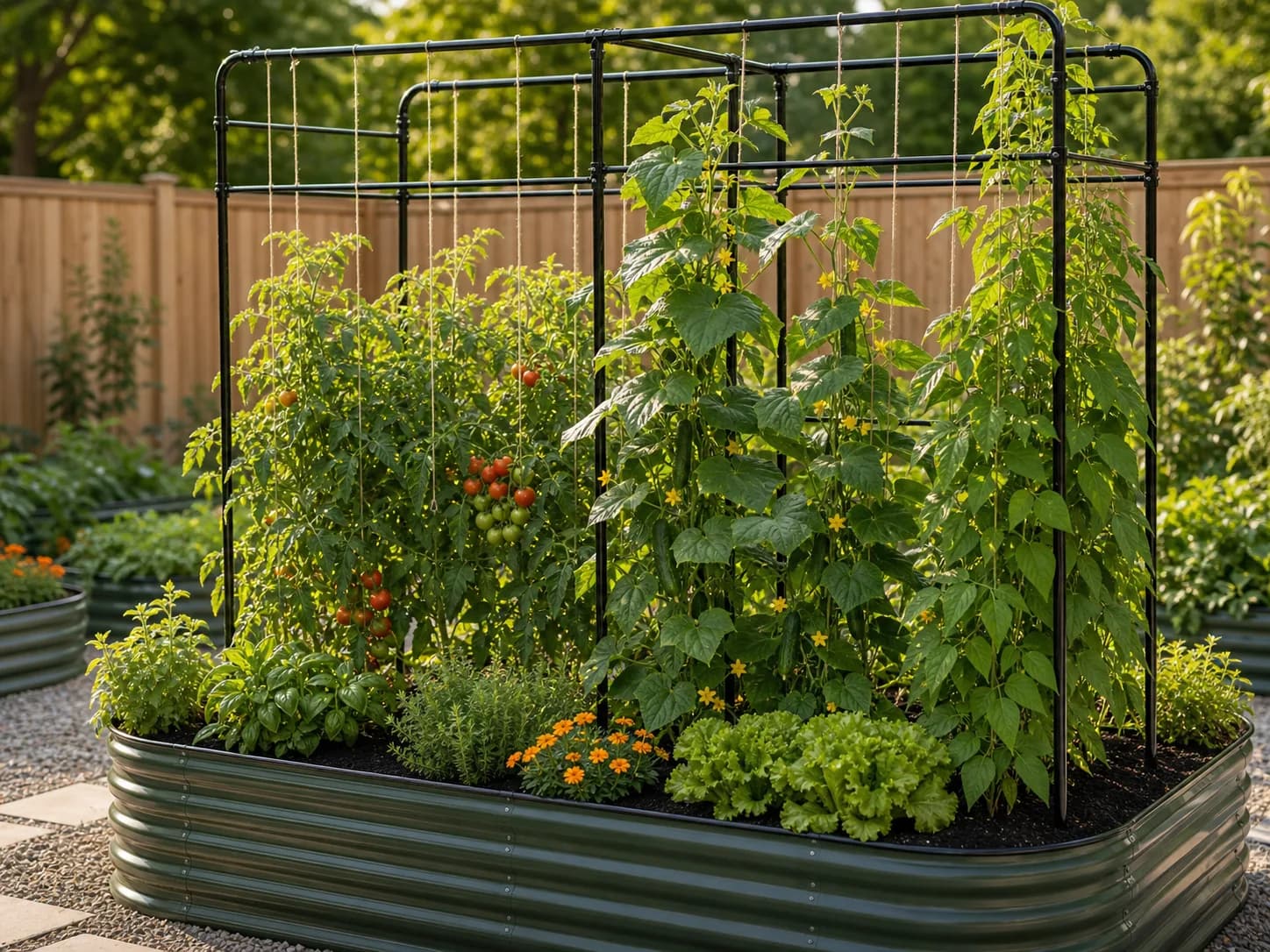
8 ft Tomato Metal Frame Trellis
- Choose if
- Tomatoes, cucumbers, beans, vining crops in rectangular raised beds
- Skip if
- Buyers who only need a basic bed without vertical crop support.
- Check first
- Garden bed not included
Choose the best raised bed cover by comparing insect netting, frost fabric, shade cloth, poly tunnels, hoops, and bed-specific cover systems.
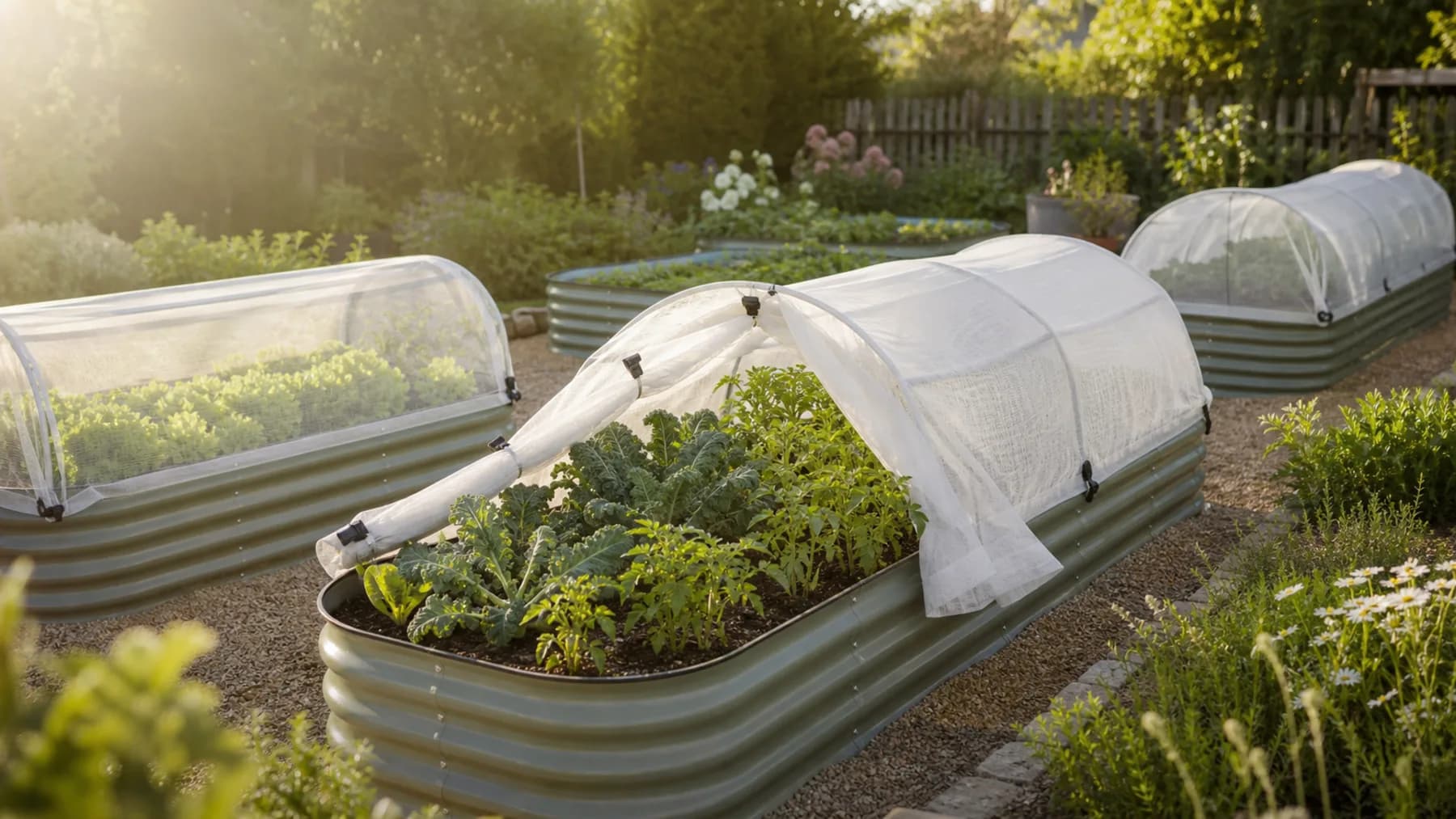
Use this compact matrix before reading the full guide. It keeps the choice grounded in fit, tradeoff, setup risk, and a current offer path without showing stale Amazon prices or ratings.
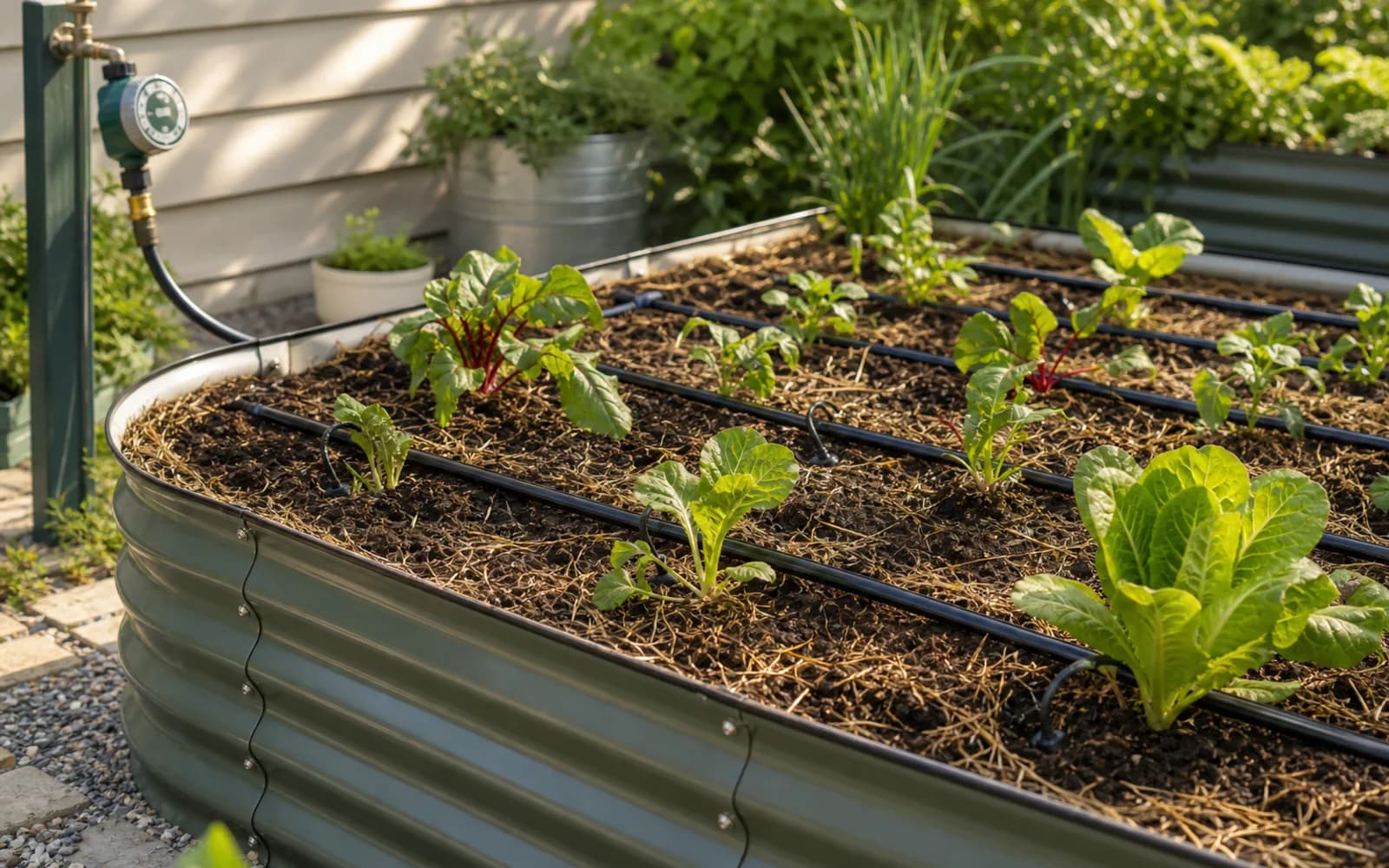
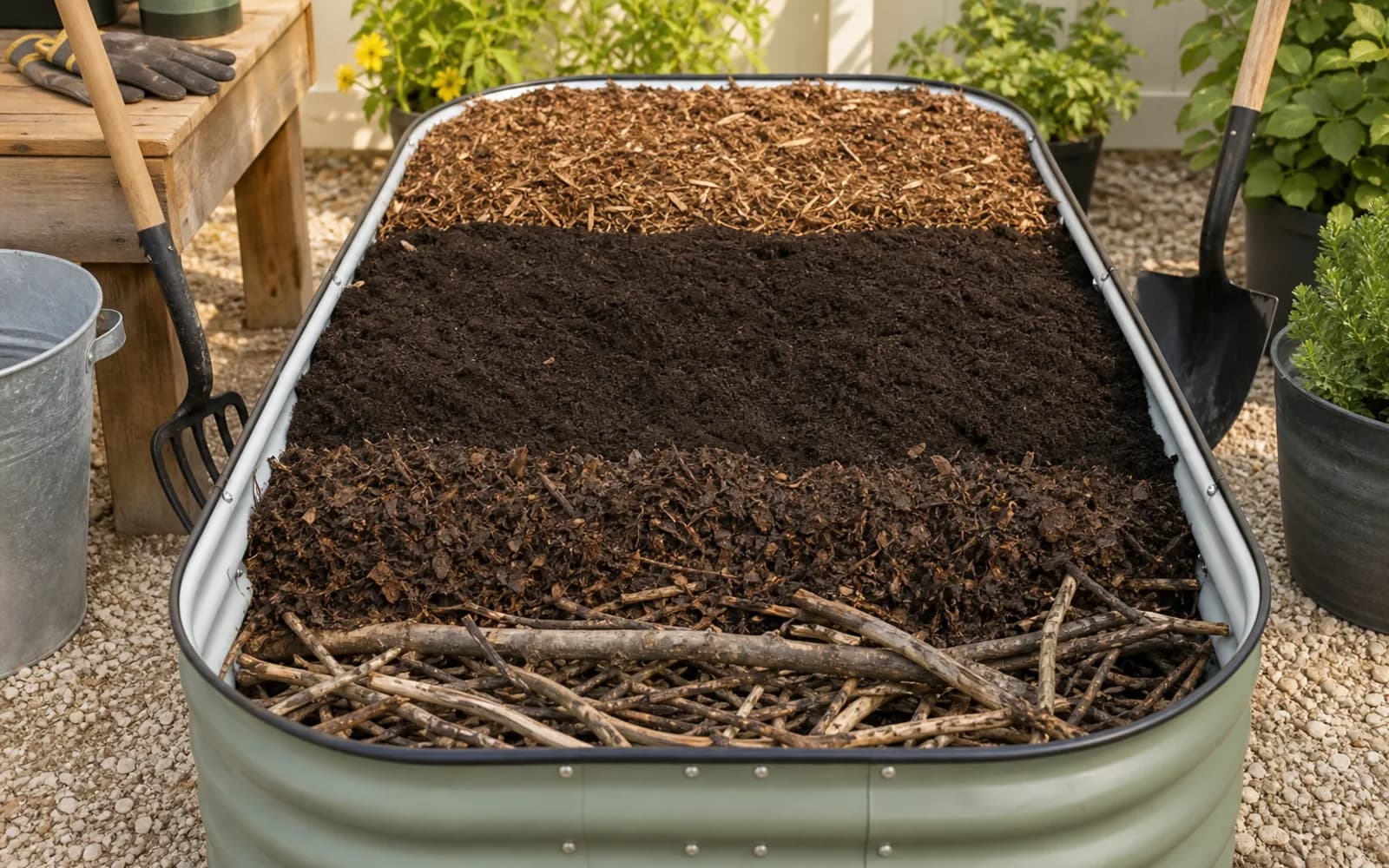
Use these related products to plan the bed system around the cover: support structure, watering access, and the root zone below the fabric.
Best for: Tomatoes, cucumbers, beans, vining crops in rectangular raised beds
Key tradeoff: Garden bed not included
View decision notesCheck current price on AmazonBest for: Beginner raised-bed gardeners who want a known-brand kit for one 4 x 8 vegetable bed
Key tradeoff: Limited coverage for multi-bed gardens
View decision notesCheck current price on AmazonBest for: Gardeners who want a bagged organic raised bed mix for small beds, top 10 to 12 inches, or seasonal top-offs
Key tradeoff: Bagged soil can be expensive for large beds
View decision notesCheck current price on AmazonUpdated:
The best raised bed cover is not one product. It is the cover type that solves the real garden problem in front of you: insects, frost, heat, wind, birds, rabbits, hail, or season extension. A clear plastic tunnel can help warm spring soil, but it can overheat tender greens in May. Fine insect netting can protect brassicas from cabbage moths, but it will not give the same frost protection as garden fleece. Shade cloth can rescue lettuce in summer, but it can slow tomatoes if you leave it on at the wrong time.
This guide compares raised bed covers by use case, material, support style, crop fit, and buyer risk. We analyzed published product specs, visible marketplace listing details, common buyer-feedback themes for cover systems, and practical raised-bed gardening needs. We do not claim hands-on testing, and we do not hardcode live Amazon prices, star ratings, review counts, or availability because those details change.
For pest protection, choose fine insect netting or mesh over hoops. It should be tall enough to keep leaves from pressing against the fabric, because insects can still lay eggs through netting if the crop touches the cover. For frost protection, choose garden fleece or row-cover fabric that traps a little warmth while still breathing. For summer heat, choose shade cloth with a modest shade percentage instead of solid plastic. For season extension, choose a poly tunnel or greenhouse-style cover that can vent easily.
If you already own a specific modular raised bed system, a bed-specific cover kit can be the cleanest fit. The tradeoff is compatibility: a cover that fits one 3.5 x 6.5 ft bed may not fit a budget galvanized bed, a round herb bed, or an elevated planter. If you own mixed bed sizes, separate hoops plus fabric are usually more flexible than one branded cover kit.
The safest buying rule is simple: buy the cover for the problem, then buy the frame for the bed. Many frustrating purchases happen when shoppers buy a pretty tunnel first and only later discover it is too short for kale, too warm for lettuce, too light for wind, or too narrow for the actual bed.
| Garden problem | Best cover type | Works best when | Main tradeoff |
|---|---|---|---|
| Cabbage moths, flea beetles, leaf miners | Fine insect netting over hoops | Fabric stays off the leaves and edges are sealed | Pollinators are blocked, so remove for flowering crops when needed |
| Light frost and cold nights | Garden fleece or frost blanket | You need breathable warmth, not a sealed greenhouse | It can flatten tender plants without hoops |
| Hot afternoon sun | Shade cloth, often 30% to 40% | Lettuce, spinach, seedlings, and summer transplants need relief | Too much shade can reduce fruiting crop performance |
| Early spring warming | Clear poly tunnel with vents | You monitor heat and open it on warm days | Overheating can happen quickly |
| Birds and rabbits | Taller mesh tunnel or crop cage | The frame is tall enough and edges are pinned well | Bulkier to store than flat fabric |
| Mixed seasonal use | Hoops plus interchangeable fabrics | You want frost fabric, netting, and shade cloth on one frame | More pieces to manage |
Cover decision
Material matters more than brand. Match the cover to pest pressure, temperature, sunlight, and whether the crop needs pollination.
The goal is excluding moths and beetles while keeping airflow high.
Watch out: Seal the edges and keep leaves away from the netting.
It traps a little warmth without creating a sealed plastic box.
Watch out: Use hoops if plants are fragile.
Shade reduces afternoon stress while keeping airflow.
Watch out: Do not overshade fruiting crops.
Clear covers warm soil and protect from wind when managed carefully.
Watch out: Vent on sunny days to avoid cooking plants.
The products below are useful comparison anchors for the cover category. Before treating any one as a final purchase, match the exact current listing, bed dimensions, fabric type, and seller details. Product pages and variants can change, so use this shortlist as a decision map rather than a live-price table.
| Product style | Best for | What to verify before buying |
|---|---|---|
| Vego Garden Cover Netting System for 3.5 x 6.5 ft beds | Vego owners who want a matching pest and shade cover | Exact compatible bed size, whether the bed is included, fabric shade rate, frame height, and replacement fabric options |
| Quictent raised garden bed with cover combo, 6 x 3 x 1 ft class | Beginners who want bed plus cover in one purchase | Whether it is a bed-and-cover bundle, cover material, zipper access, venting, and actual usable growing height |
| Quictent larger raised garden bed with cover, 8 x 4 ft class | Bigger vegetable beds with one matched tunnel | Shipping size, bed depth, tunnel height, wind anchoring, and whether replacement cover parts are easy to find |
| porayhut tunnel plant netting crop cage | Pest netting for brassicas and leafy greens | Mesh size, height, stake strength, zipper access, and whether the tunnel fits over your planted bed |
| SPECILITE large garden plant netting mesh cover | Bird, insect, and rabbit pressure over a rectangular bed | Actual dimensions, mesh density, frame pieces, wind performance, and whether it blocks pollinators |
| XYADX greenhouse hoops for raised beds | DIY gardeners who want their own frame | Hoop length, bed width fit, stake depth, material flexibility, and which fabric must be bought separately |
Insect netting is for exclusion. The fabric should be fine enough for the pest you care about and light enough to keep airflow moving. It is especially useful for brassicas, arugula, radishes, and other crops that attract leaf-eating insects. The main mistake is letting the fabric rest directly on the crop. If leaves touch the netting, insects can sometimes still damage the plant from outside. Hoops create the air gap that makes netting work better.
Frost fabric is for temperature swings. It is usually softer and more insulating than insect mesh. It can help with light frost, cool nights, and early transplants, but it is not a substitute for a heated greenhouse. A frost blanket laid directly over sturdy crops can work in a pinch. For fragile seedlings, hoops are safer because they prevent fabric weight from pressing plants down.
Shade cloth is for heat and light management. It is not a pest cover unless the weave is tight enough and the edges are sealed. Most raised bed gardeners should be careful with shade percentage. Lettuce, spinach, cilantro, seedlings, and summer transplants can benefit from moderate shade. Tomatoes, peppers, cucumbers, and squash usually need more sun, so shade should be temporary or targeted.
Clear poly is for season extension. It warms the bed and blocks rain and wind, but it also creates the highest overheating risk. A small plastic tunnel can become too hot on a sunny day even when the air feels cool. If you choose poly, look for venting, zipper access, or a setup you can open quickly.
Leafy greens are the easiest cover crops. Lettuce, spinach, arugula, kale, and bok choy can sit under mesh, frost fabric, or shade cloth depending on the season. They do not usually require pollinators, and they benefit from protection against insects and heat.
Brassicas often deserve insect netting from day one. Cabbage, broccoli, cauliflower, kale, and collards attract moths and beetles early. If you wait until damage appears, the pests may already be inside the cover. Install netting after planting and seal the edges with clips, boards, soil, or landscape staples.
Tomatoes and peppers are different. They need sun, airflow, and harvest access. Temporary frost fabric can help early in the season, and shade cloth may help during extreme heat, but a closed cover can create disease pressure or pollination problems if left on too long. For tomatoes, covers are usually seasonal tools, not permanent roofs.
Cucumbers, squash, melons, and other flowering crops need pollination. Row cover can protect young plants from insects early, but it must be removed or opened when flowers need bee access unless you hand pollinate. For these crops, a cover is most useful during the seedling stage.
Herbs vary. Cilantro and parsley may appreciate shade in heat. Basil likes warmth but can suffer under cold fabric or poor airflow. Rosemary, thyme, and oregano usually need sun and drainage more than a cover.
Measure the bed before shopping. Raised bed covers are sold by length, width, hoop height, and sometimes by compatible bed model. A 4 x 8 ft bed, 3 x 6 ft bed, and 3.5 x 6.5 ft modular bed are not interchangeable. Even a few inches can matter if the cover has a fitted frame.
Check hoop height against the mature crop, not the seedling. A cover that looks spacious in April can crowd kale, broccoli, or tomatoes later. Low hoops are fine for seedlings and lettuce. Taller tunnels are better for brassicas, peppers, and crop cages.
Check how you will harvest. Zippers, roll-up sides, clips, and removable panels matter more than product photos suggest. If accessing the bed requires removing the entire cover every time, you may stop using it in the busiest part of the season.
Check wind exposure. Fabric behaves like a sail. Lightweight hoops, loose clips, and tall tunnels can shift in wind. If your garden is open or exposed, prioritize stronger stakes, lower profiles, and better edge anchoring.
Check storage. Hoops, poles, and fabric need somewhere to go when not in use. A cover system that stores neatly is more likely to survive multiple seasons.
Do not buy a cover only by bed length. Height, access, and fabric type matter just as much.
Do not use clear plastic as a set-and-forget cover. Plastic tunnels need venting because overheating can happen fast.
Do not leave insect netting closed over crops that require pollination. Open it for flowering crops, hand pollinate, or use it only during the early pest-sensitive stage.
Do not assume a branded cover fits every bed from the same brand. Verify the exact compatible size and model.
Do not buy shade cloth because it sounds gentle. Too much shade can slow fruiting vegetables and stretch seedlings.
Do not forget edges. Most pests and small animals find gaps. A good cover with sloppy edges is often worse than a basic cover installed carefully.
The best cover depends on the problem. Use insect netting for pests, frost fabric for cold nights, shade cloth for heat stress, and vented clear poly for season extension. Hoops make most covers work better because they keep fabric off the plants.
Usually no. Covers work better when hoops or a frame hold the fabric above the crop. This protects fragile plants, improves airflow, and helps prevent insects from reaching leaves through the fabric.
You can leave insect netting on leafy greens and many brassicas if the plants do not need pollination. For cucumbers, squash, melons, and other flowering crops, remove or open the cover when pollination is needed.
Plastic warms the bed more, but it also overheats more easily and usually needs venting. Frost cloth is more breathable and safer for light frost protection. Choose plastic for managed season extension, not casual set-and-forget protection.
Choose hoops based on bed width and crop height. For low greens, shorter hoops can work. For brassicas or taller plants, use taller hoops so the cover does not press against leaves. Always check the hoop length and recommended bed width before buying.
Choose insect netting if pests are the main problem. Choose frost fabric if the danger is cold nights. Choose shade cloth if leafy greens or seedlings are struggling in heat. Choose a vented poly tunnel if you want season extension and are willing to manage airflow. Choose hoops plus interchangeable fabrics if you want the most flexible long-term setup.
For most raised bed gardeners, the smartest first purchase is not the most elaborate greenhouse tunnel. It is a hoop system that fits the bed, plus the fabric that matches the immediate problem. That gives you room to adapt as the season changes: netting for brassicas, frost fabric for shoulder season nights, and shade cloth when summer heat arrives.